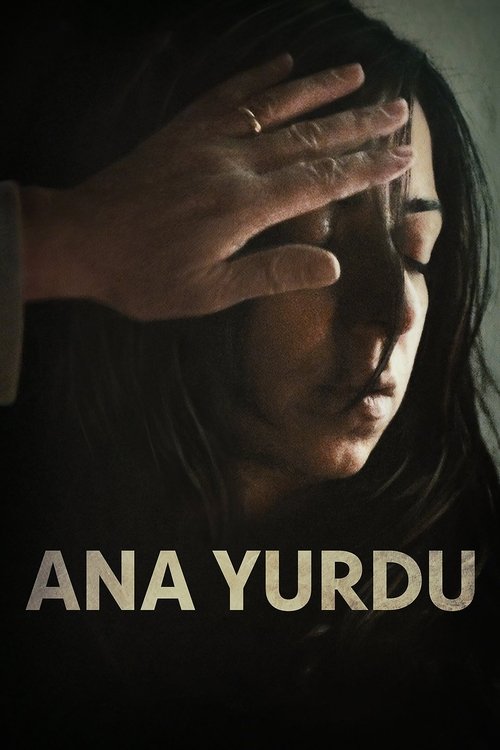
Motherland
2015
No user ratings available yet
Representation score: 7.6 out of 10

Representation Score
Excellent
2019
Director
Jure Pavlović
Runtime
93 minutes
Average Rating
No ratings yetNew Showbiz Analysis
Matriarch is a sophisticated character study that prioritizes psychological depth over spectacle. It succeeds by examining how systemic social pressures and traditional community expectations influence individual identity and ability to act. The film avoids sentimental clichés, instead using a homecoming narrative to explore the tension between autonomy and social stratification. It provides a nuanced look at the complexities of familial and social obligations. While the film lacks overt demographic diversity, it achieves progressive depth through its nuanced exploration of gendered dynamics and class issues in a specific cultural setting.
Category Breakdown
The film centers on the maternal-filial bond and existing social structures. There are no explicit LGBTQ+ characters or narratives that challenge the assumption that everyone is straight or cisgender.
The narrative highlights the stubbornness and strength of its female leads, exploring the complexities of womanhood and avoiding submissive archetypes within a Mediterranean context.
This is a localized portrait of a Croatian community. While it lacks a multi-ethnic cast, it offers an authentic exploration of a specific regional and ethnic identity.
The film critiques traditional social hierarchies and community expectations. It uses social realism to examine how class, status, and gender issues shape the characters' lives.
Anka's declining health serves as a central narrative engine. However, it is unclear if her condition is treated with ability to act or primarily as a plot device.
Present on Screen
Limited or Absent
Official Synopsis
The story of Jasna, a Croatian ex-pat who, due to her mother Anka's declining health, is forced to return to a place she has been avoiding most of her life - her home. The two haven't been in touch for years, but the proximity of death forces them to confront the ghosts of their past. It is also a portrait of life in a typical small town in the midst of Mediterranean hinterland. Plunging into the anxieties of the community, MATER subtly uncovers class, status, and gender issues that shape Anka's and Jasna's personalities - their stubbornness, strength, and tragic flaws.
2015
2022

2019
2018

2017

2019

2018

2016
No reviews yet. Be the first to share your thoughts on this movie!
Use the rating form above to leave a star rating and optional review.