Night of the Pumpkin
2010
No user ratings available yet
Diversity score: 2.5 out of 10
2013
Director
Bill Zebub
Runtime
89 minutes
Average Rating
No ratings yetSynopsis
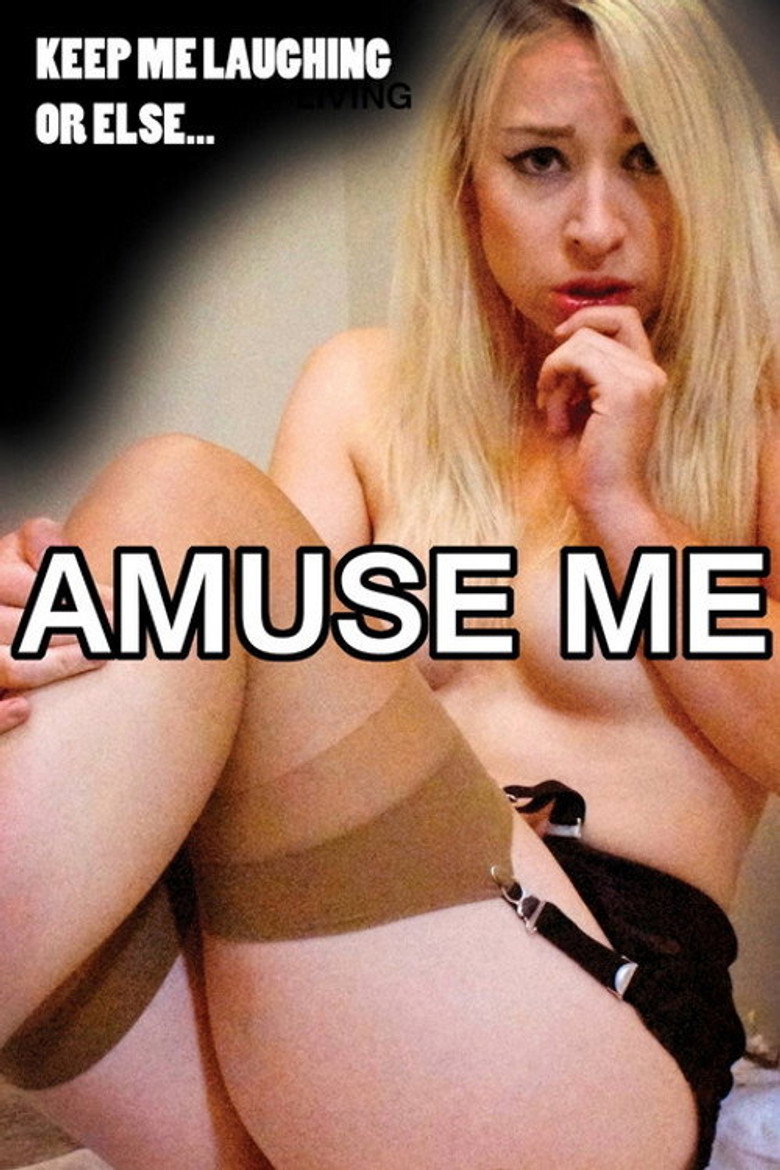
Captives find themselves at the mercy of a lunatic who dresses like a clown. He does not seem to be aware that his amusement is terrifying to the victims who are forced to participate in his games of degradation. As frightening as his lack of empathy may be, he has an even scarier personality when he gets angry.
Overall Score
Limited
Category Breakdown
LGBTQ+ Representation
The film lacks LGBTQ+ characters or narratives engaging with queer identities. The focus remains on captivity and power dynamics rather than queer visibility.
Gender Representation
Female characters appear as passive recipients of violence within a traditional exploitation framework. The narrative centers on degradation rather than subverting gender hierarchies.
Racial & Ethnic Diversity
The cast appears to follow homogeneous genre casting defaults. There is no indication of a diverse or non-white majority within the production.
Religious & Cultural Diversity
The story utilizes traditional horror archetypes rather than engaging with cultural norms or systemic critiques. It avoids exploring religious or institutional structures.
Disability Representation
Mental instability is used as a plot device for terror rather than a nuanced portrayal. There is no evidence of disability being depicted with agency.
Strengths
Areas for Improvement
AI Analysis
Amuse Me operates strictly within the confines of exploitation horror, prioritizing visceral tension and the mechanics of captivity. The film relies on established genre tropes that favor shock value over meaningful character development or social commentary. The narrative architecture positions characters as subjects of a predatory force rather than autonomous individuals. This lack of agency prevents the exploration of identity or intersectionality, resulting in a narrow, homogeneous viewing experience. Ultimately, the film functions as a study of psychological terror through a singular, chaotic antagonist. It does not attempt to deconstruct social hierarchies or provide representation for marginalized groups.
2010

2012
2012
2007
2015
2012
2019
2000
2015
2006

1996
2014
No reviews yet. Be the first to share your thoughts on this movie!
Use the rating form above to leave a star rating and optional review.