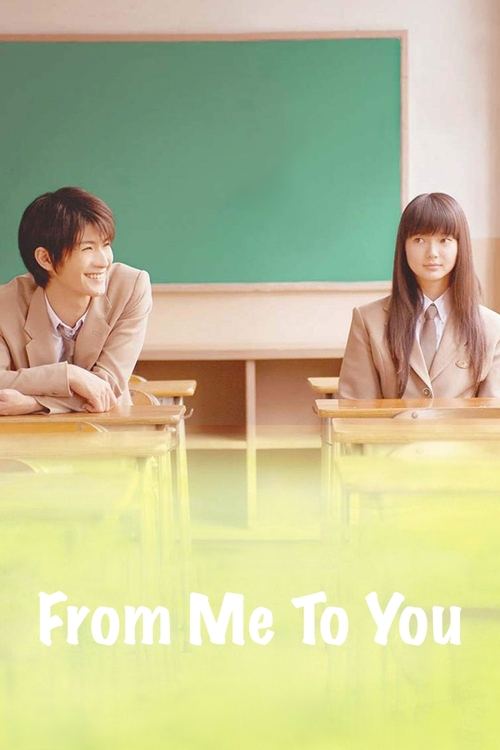
From Me to You
2010
No user ratings available yet
Representation score: 3.5 out of 10
Representation Score
Limited
2014
Director
Saiji Yakumo
Runtime
109 minutes
Average Rating
No ratings yetNew Showbiz Analysis
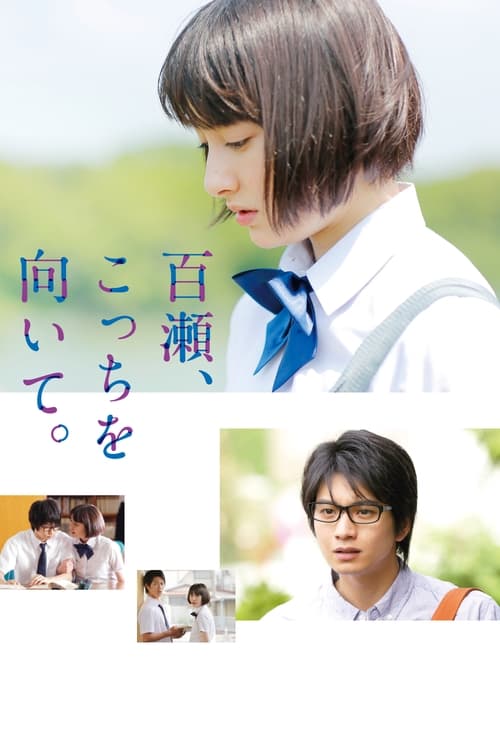
The film operates within the established clichés of the Japanese school-life romance genre. It prioritizes interpersonal drama and the micro-politics of popularity over any broader social or systemic critique. Character dynamics are driven by traditional archetypes and heterosexual romantic structures. The central conceit of a fake relationship serves the internal logic of the romance rather than challenging societal norms. The setting remains culturally homogeneous, focusing on domestic social hierarchies. This results in a narrative that maintains a traditionalist approach to character roles and social dynamics.
Category Breakdown
The story focuses on heterosexual relationships and does not explore queer identities. The plot uses pretend relationships to navigate social hierarchies.
Characters follow traditional gender roles such as the popular male lead and bright female protagonist. Female characters' influence is mostly tied to their romantic connections with the male lead.
The film presents a homogeneous social environment typical of Japanese school dramas. There is no indication of racial diversity or varied perspectives.
The narrative adheres to conventional social structures and high school hierarchies. It explores romantic loyalty and popularity rather than cultural or systemic critiques.
There is no mention of characters with visible or invisible disabilities. The narrative lacks representation of neurodivergence or chronic health conditions.
Present on Screen
Limited or Absent
Official Synopsis
Noboru is a high school student who isn't popular at all. He looks up to senior student Miyazaki who is one of the most popular guys at school. Miyazaki has two girlfriends: Momose and Tetsuko. Momose and Tetsuko have totally different personalities. Momose is bright and Tetsuko is a popular student from a wealthy family. One day, Miyazaki is caught with Momose. To keep his relationship with Tetsuko, Miyazaki asks Noboru and Momose to pretend they are dating. They both agree due to their affections for Miyazaki. Noboru and Momose begin to act like a couple in front others and soon Noboru begins to develop feelings for Momose, who is still in love with Miyazaki.
2010
2007
2018
2021
2017
2016
2017
2017
No reviews yet. Be the first to share your thoughts on this movie!
Use the rating form above to leave a star rating and optional review.