
Killer Instinct
1988
No user ratings available yet
Representation score: 2.9 out of 10
Representation Score
Limited
1984
Director
Dick Lowry
Runtime
120 minutes
Average Rating
No ratings yetNew Showbiz Analysis
The film adheres to 1980s television standards, prioritizing traditional storytelling over systemic subversion. While it breaks certain molds through its lead casting, it remains anchored in the era's conventional social hierarchies. Its primary strength lies in providing significant visibility for a Black leading man in a central role. However, the narrative reinforces hyper-male clichés and lacks multi-layered depth. Ultimately, the film functions as a standard drama emphasizing community cohesion and traditional character growth.
Category Breakdown
The film does not include any LGBTQ+ characters or address queer identities. It follows a typical mid-80s dramatic structure that doesn't provide any queer visibility.
The story centers around a male protagonist with physical authority. Although the lead character shows emotional depth, the plot relies on traditional male-driven dynamics.
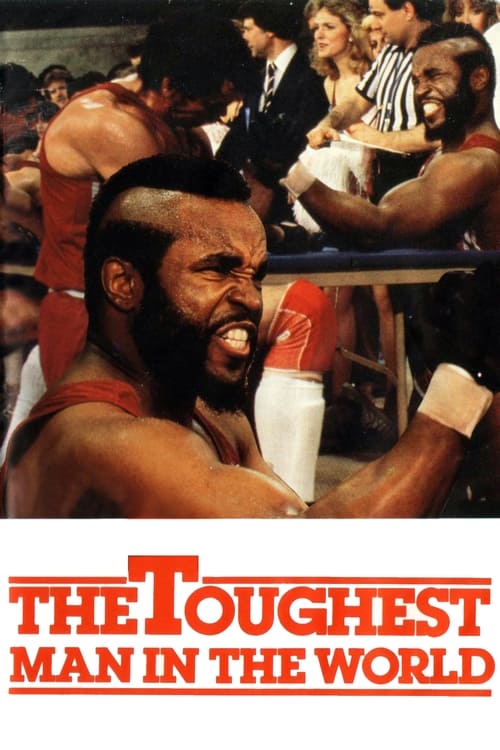
Casting Mr. T in the lead role provides meaningful visibility for a Black actor. This central placement exceeds the era's typical standards for homogeneous casting.
The narrative follows a conventional Western redemption arc focused on community stability. It emphasizes social responsibility without critiquing established institutions.
There is no mention of characters with visible or invisible disabilities. The film does not represent neurodivergence or physical impairments.
Present on Screen
Limited or Absent
Official Synopsis
Mr. T's first starring made-for-TV movie role has him playing a tough and scowling, but softhearted, nightclub bouncer who finds himself involved with a bunch of kids after being conned into taking over a youth center.
1988
1975

1987

1992

1982

1978

1987
1983
No reviews yet. Be the first to share your thoughts on this movie!
Use the rating form above to leave a star rating and optional review.