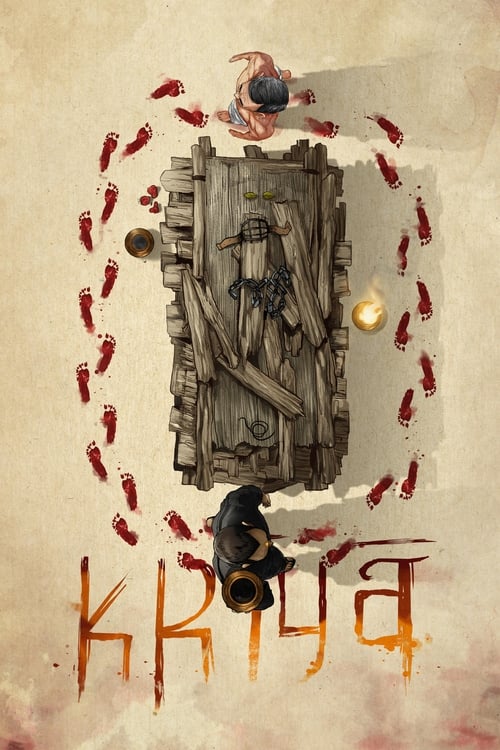
Kriya
2020
No user ratings available yet
Representation score: 4.4 out of 10

Representation Score
Excellent
2025
RDirector
Alex Scharfman
Runtime
107 minutes
Average Rating
No ratings yetNew Showbiz Analysis
Death of a Unicorn uses its satirical premise to challenge traditional power structures, particularly those related to wealth and corporate ethics. Its strongest contributions to diversity come from its casting choices and gender dynamics. Sunita Mani’s inclusion in a high-status role disrupts racial homogeneity in wealthy settings, while Ridley’s role as the agent of magical change and Elliot’s portrayal as an incompetent patriarch subvert traditional gender roles. The film does not engage deeply with LGBTQ+ issues or explicit disability narratives. However, its critical stance on capitalism and its diverse casting choices position it moderately to highly progressive in representation. The narrative architecture uses the unicorn as a central plot device to expose the moral decay of the elite, offering a nuanced critique of power that resonates with contemporary cultural conversations.
Category Breakdown
The film does not include any explicit LGBTQ+ characters or dynamics related to sexual orientation. The storyline focuses on family and class tensions, leaving sexual identity largely unexplored.
Ridley plays a significant role in driving the story through her connection to the unicorn, subverting passive teenage stereotypes. Her father, Elliot, is portrayed as bumbling and morally compromised, which challenges traditional masculine authority.
Including Sunita Mani in a high-status role within a wealthy elite circle disrupts historical norms of homogeneous white wealth. This inclusion promotes racial diversity in positions of power.
The film critiques corporate greed and the commodification of nature through darkly comedic elements. It includes folk horror elements that respect the unknown but does not promote specific ideological alternatives beyond a general satire of late-stage capitalism.
Themes of bodily perfection emerge through the unicorn’s regenerative blood curing acne and vision issues. However, the narrative focuses on acquiring health rather than exploring the social experience of disability.
Present on Screen
Limited or Absent
Official Synopsis
A father and daughter accidentally hit and kill a unicorn while en route to a weekend retreat, where his billionaire boss seeks to exploit the creature’s miraculous curative properties.
2020
2021
2011
1964
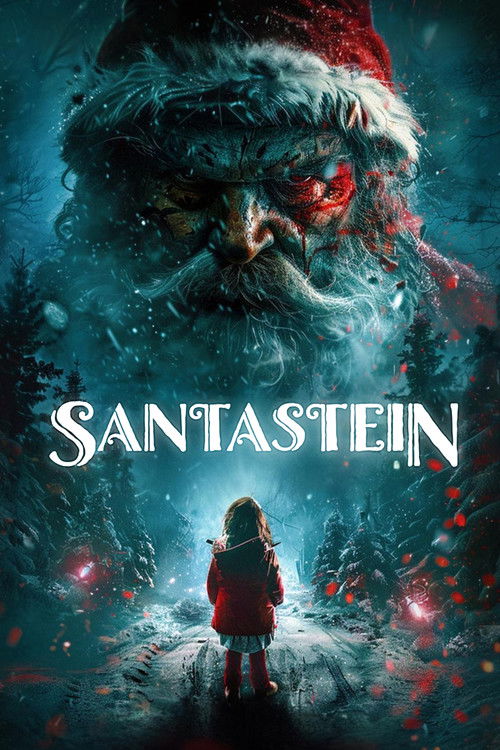
2024
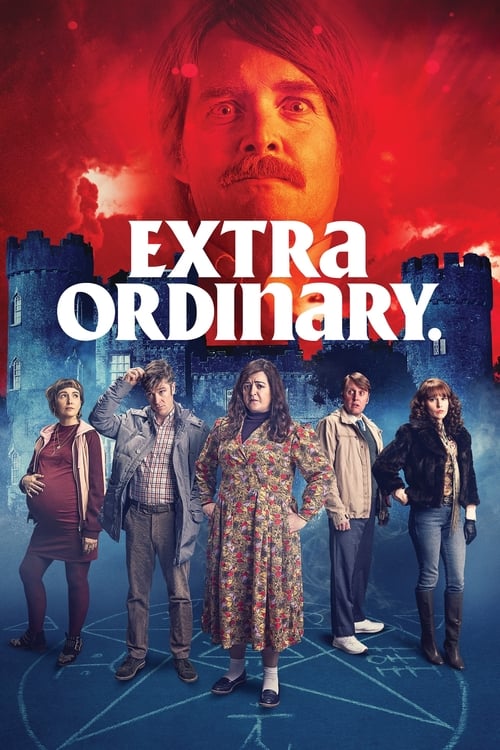
2019
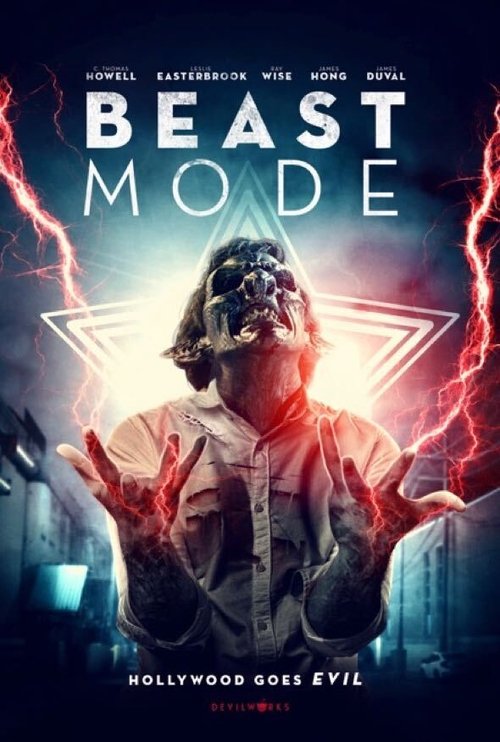
2020
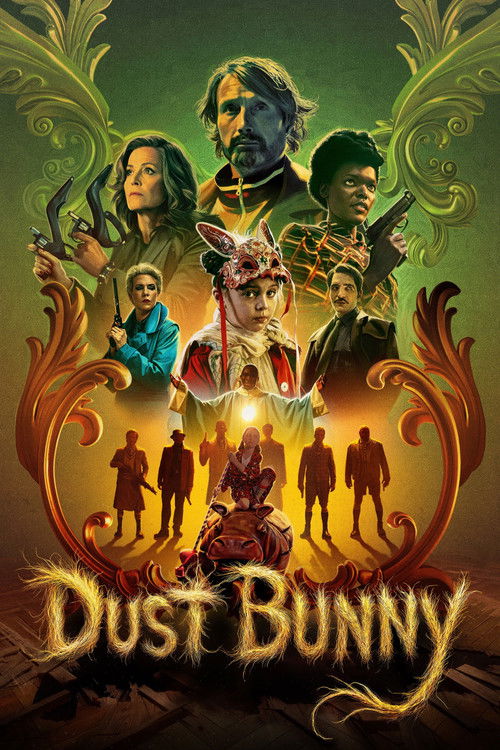
2025
No reviews yet. Be the first to share your thoughts on this movie!
Use the rating form above to leave a star rating and optional review.