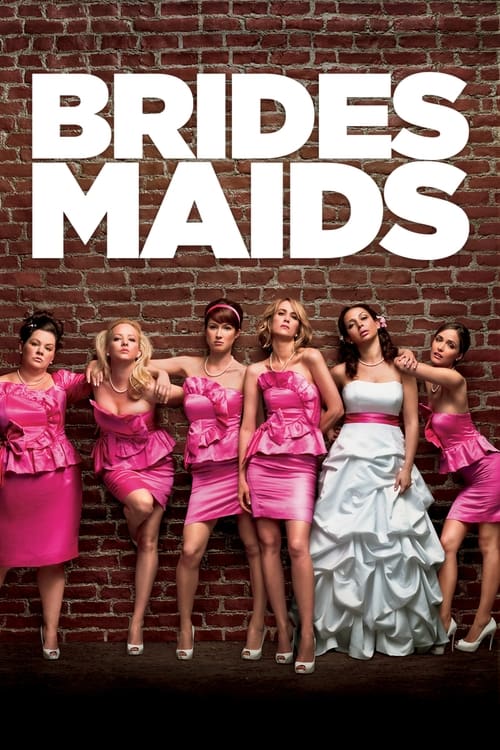
Bridesmaids
2011
No user ratings available yet
Representation score: 7.0 out of 10

Representation Score
Limited
2009
PGDirector
P.J. Hogan
Runtime
104 minutes
Average Rating
No ratings yetNew Showbiz Analysis
Confessions of a Shopaholic is a conventional romantic comedy that emphasizes individual character development over broader social issues. While it offers a fresh perspective on professional competence and challenges traditional corporate clichés, it remains tied to established social hierarchies. The film's commentary on consumerism serves as a stylistic critique of materialism but does not delve into the structural aspects of capitalism. It focuses on personal flaws rather than institutional power. Overall, the narrative centers around a homogeneous demographic, reinforcing a Eurocentric portrayal of the fashion and financial industries.
Category Breakdown
The film follows a strictly heterosexual storyline, focusing on a typical romance between Rebecca and Luke Brandon.
Rebecca Bloomwood challenges traditional feminine stereotypes by being impulsive and chaotic instead of traditionally domestic. The film passes the Bechdel test through conversations between Rebecca and Suze.
The film portrays a highly homogeneous, predominantly white, upper-middle-class view of New York City. There are no significant characters of color with substantial roles.
The story critiques the allure of brand identity in a postmodern consumer culture. However, it aligns with Western capitalist structures and personal growth narratives.
The film does not address any visible or invisible disabilities or neurodivergent conditions. Compulsive shopping is portrayed as a personality trait rather than a psychological issue.
Present on Screen
Limited or Absent
Official Synopsis
In the glamorous world of New York City, Rebecca Bloomwood is a fun-loving girl who is really good at shopping – a little too good, perhaps. She dreams of working for her favorite fashion magazine, but can't quite get her foot in the door – until ironically, she snags a job as an advice columnist for a financial magazine published by the same company.
2011

2003

2010

1991

2001

2005
2009

2017
No reviews yet. Be the first to share your thoughts on this movie!
Use the rating form above to leave a star rating and optional review.