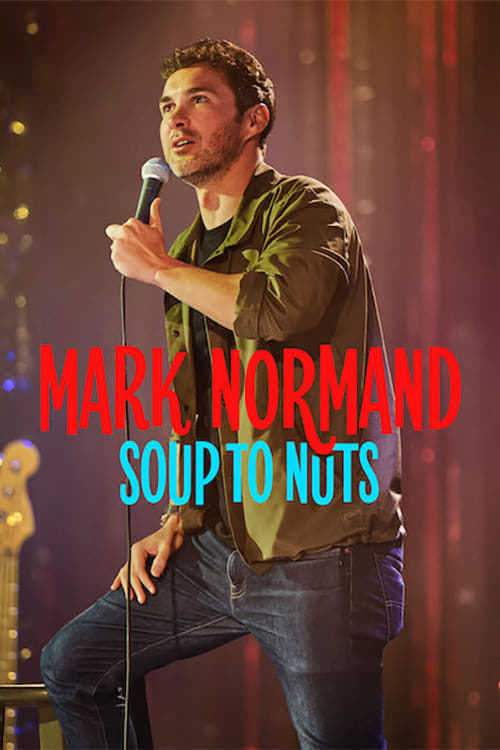
Mark Normand: Soup to Nuts
2023
No user ratings available yet
Diversity score: 3.2 out of 10
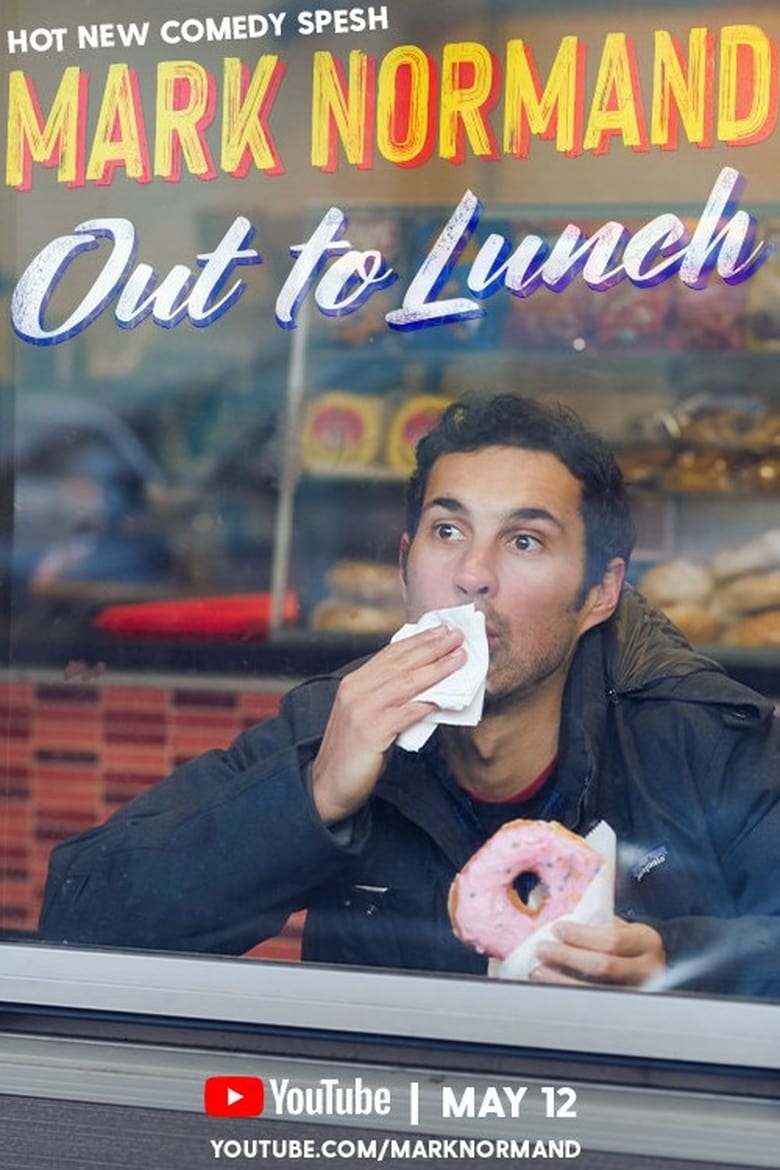
2020
Director
Jakob Markovits
Runtime
54 minutes
Average Rating
No ratings yetSynopsis
In Mark’s third comedy hour he covers it all: Drinking, anxiety, gays, naughty words, trans, race & the ladies.
Overall Score
Limited
Category Breakdown
LGBTQ+ Representation
The special addresses topics involving gay and trans individuals. However, the humor appears to rely on observational tropes rather than providing nuanced or empowering character development.
Gender Representation
Women are included as a subject of discourse. The performance follows conventional comedic patterns where gender is observed rather than used to subvert traditional social hierarchies.
Racial & Ethnic Diversity
The set explicitly covers race as a topic. The content focuses on topical commentary rather than presenting a diverse, non-Anglo-Saxon majority framework.
Religious & Cultural Diversity
Themes of drinking and anxiety suggest a focus on social taboos and moral relativism. There is no clear evidence of a critique against Western institutions.
Disability Representation
While anxiety is mentioned, it is unclear if this is treated as a lived experience. There is no specific evidence of neurodivergence or disability being addressed.
Strengths
Areas for Improvement
AI Analysis
Mark Normand's special functions as a topical observational comedy. It touches on various identity markers, including race, gender, and LGBTQ+ themes, but uses them primarily as subjects for jokes. The performance stays within traditional comedic frameworks. Rather than driving systemic change or intersectional empowerment, the material focuses on social taboos and personal anxieties through a lens of comedic commentary.
2023

2020

2019
2021

2003
2003

2003

2003

2022
2016
2017
2014
No reviews yet. Be the first to share your thoughts on this movie!
Use the rating form above to leave a star rating and optional review.