
True
2021
No user ratings available yet
Representation score: 3.0 out of 10
Representation Score
Limited
2021
Director
Aban Bharucha Deohans
Runtime
136 minutes
Average Rating
No ratings yetNew Showbiz Analysis
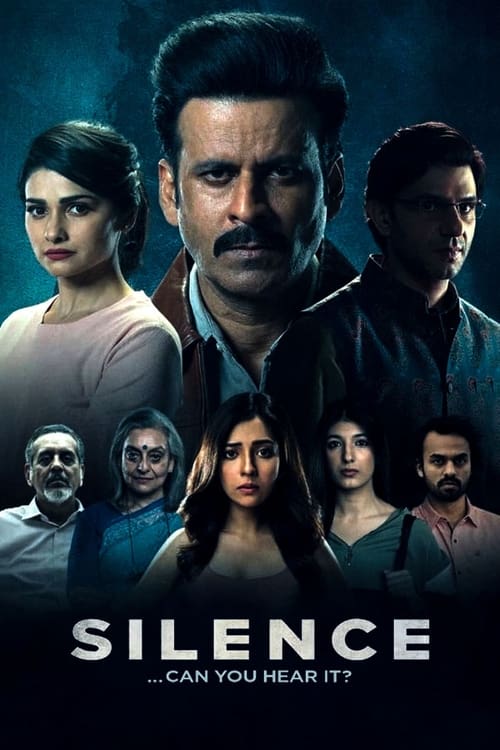
Silence... Can You Hear It? operates as a conventional investigative thriller. The plot revolves around a high-profile murder case involving a judicial family, emphasizing crime mechanics over social critique. While the film is set in a South Asian context, it does not demonstrate intentional characters who reflect more than one aspect of diversity. The narrative structure adheres to established genre conventions rather than challenging traditional social hierarchies. Ultimately, the film remains a standard mystery piece. It lacks the specific character depth or diverse identity markers needed to move beyond traditional genre frameworks.
Category Breakdown
The film does not include any explicit LGBTQ+ characters or stories. There is no indication of non-cisgender identities or critiques of the assumption that everyone is straight or cisgender.
A female character serves as the main catalyst for the plot. However, the investigative ability to act is centered around a male figure, following traditional thriller conventions.
Character names suggest a South Asian cultural setting. The narrative lacks specific details to assess deeper ethnic diversity or diverse casting.
The story explores themes of justice and institutional silence within the judiciary. It follows a traditional pursuit of justice without deconstructing systemic structures.
There is no information regarding the portrayal of physical, sensory, or neurodivergent disabilities in this work.
Present on Screen
Limited or Absent
Official Synopsis
When Pooja, the daughter of retired Justice Chaudhary, is found murdered under mysterious circumstances, ACP Verma is roped in to investigate this high-profile case. When everyone is hiding the truth, justice will thrive despite the silence.
2021

2013

2020

2017

2022
2019
2015
2011
No reviews yet. Be the first to share your thoughts on this movie!
Use the rating form above to leave a star rating and optional review.