
Los maistros
1988
No user ratings available yet
Representation score: 0.9 out of 10
Representation Score
Fair
1986
Director
Rafael Villaseñor Kuri
Runtime
90 minutes
Average Rating
No ratings yetNew Showbiz Analysis
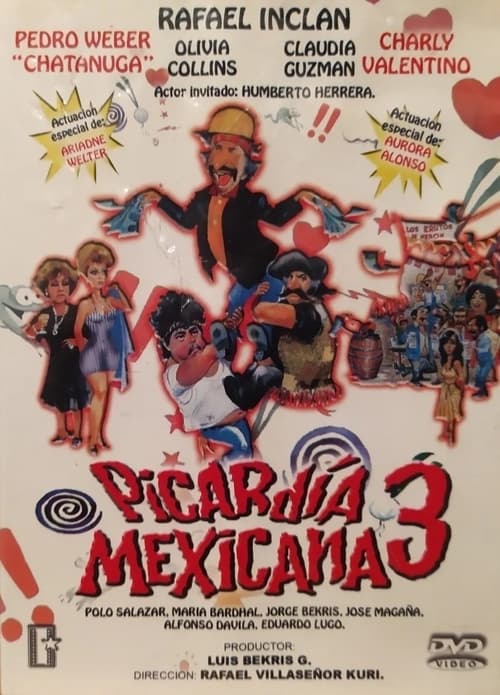
Picardía Mexicana 3 serves primarily as a localized social satire that finds its strength in cultural specificity. By centering Mexican identities and internal class dynamics, the film offers a perspective that moves away from Western-centric storytelling. However, the film is constrained by its genre. As a raunchy comedy from the 1980s, it likely leans on traditional archetypes that limit character depth. This results in a lack of characters who reflect more than one aspect of diversity and a reliance on gendered humor. Ultimately, while the film succeeds in representing Mexican social structures, it lacks significant progress in LGBTQ+ or disability representation.
Category Breakdown
The film relies on traditional comedic clichés common to its era and does not include non-straight or non-cisgender identities. It does not challenge the assumption that everyone is straight or cisgender.
Olivia Collins adds visibility for women, but the raunchy comedy genre often subjects women to the male gaze. Characters may have limited control over the story and may not be intellectually dominant.
The film centers a Mexican cast and explores domestic social hierarchies, disrupting Anglo-centric norms by focusing on localized ethnic identity.
The narrative explores friction between different social classes and satirizes systemic inequality and social climbing.
There is no documented evidence regarding the portrayal of characters with physical or neurodivergent conditions in this work.
Present on Screen
Limited or Absent
Official Synopsis
Raunchy comedy about class distinctions.
1988
1980
1985
1979
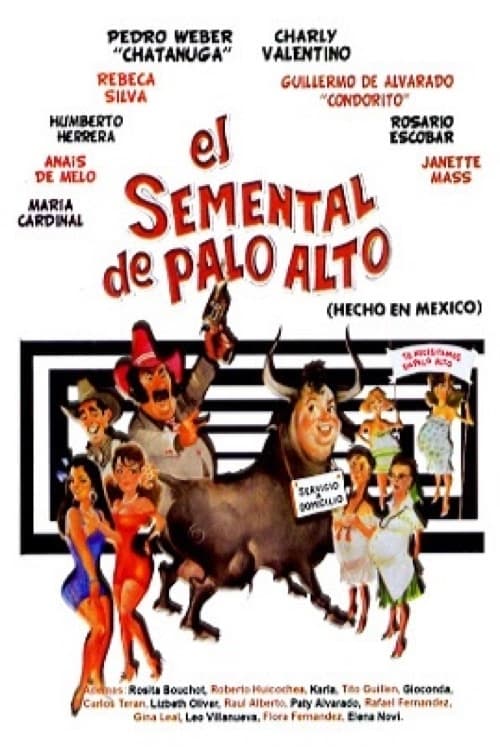
1988
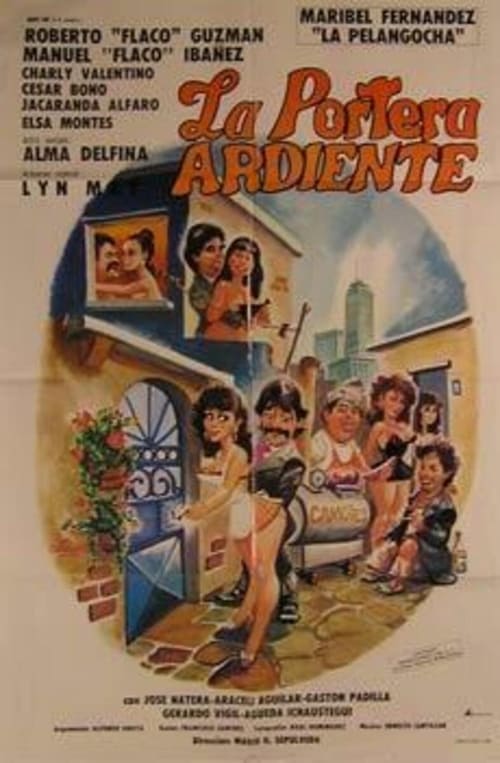
1989
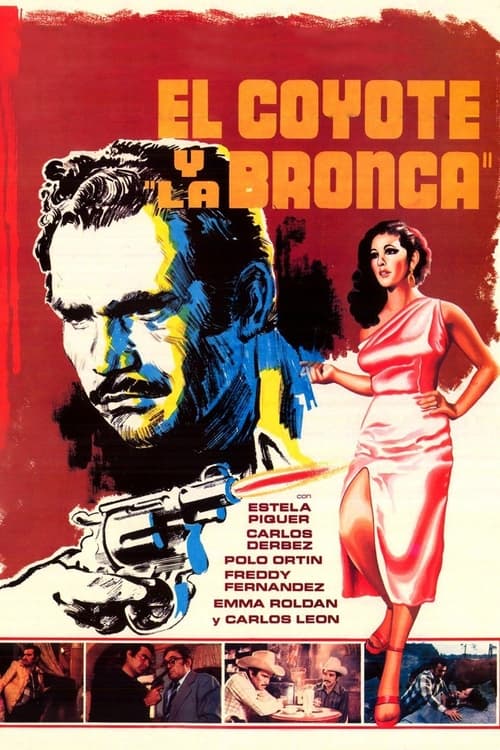
1980
1982
No reviews yet. Be the first to share your thoughts on this movie!
Use the rating form above to leave a star rating and optional review.