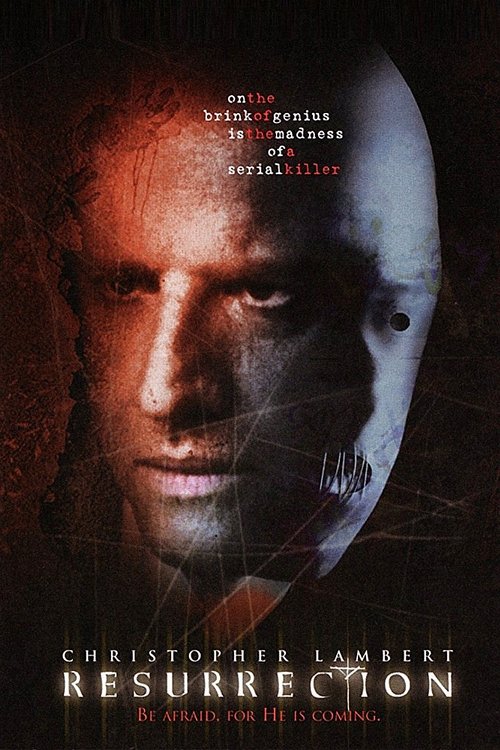
Resurrection
1999
No user ratings available yet
Representation score: 3.5 out of 10

Representation Score
Fair
2004
RDirector
Olivier Dahan
Runtime
97 minutes
Average Rating
No ratings yetNew Showbiz Analysis
Crimson Rivers II: Angels of the Apocalypse operates as a traditional psychological thriller that prioritizes atmospheric tension over social representation. The film adheres to established genre conventions, especially regarding the use of female characters as victims to drive the male-led investigation. While the film explores complex religious themes, it does so through the lens of individual fanaticism rather than a systemic critique of social hierarchies. The casting remains largely homogeneous, typical of mid-2000s European crime procedurals. Overall, the film lacks intentional multi-layered depth, focusing on the tension between faith and chaos rather than challenging identity-based norms or offering diverse perspectives.
Category Breakdown
The film does not include any representation of LGBTQ+ identities or same-sex relationships. The storyline revolves around ritualistic crimes and religious fanaticism.
Female characters are frequently portrayed as victims within the context of ritualistic murders. Although a female religious expert provides some intellectual insights, the film mainly emphasizes gendered vulnerability.
The cast is predominantly white, reflecting the film’s French Alps setting. There is no indication of diverse ethnic representation.
The film critiques religious fanaticism and occultism, presenting a view of religious institutions as not purely benevolent. However, it focuses on individual madness rather than a broader critique of social structures.
Themes of mental illness and psychological instability are present but serve primarily as plot devices. There is no meaningful representation of neurodivergence.
Present on Screen
Limited or Absent
Official Synopsis
No one is safe when seemingly random killings emerge as a deadly pattern intended to usher in the end of the world. A murder victim with the same DNA as Christ. A serial killer mimicking the deaths of the 12 Apostles. Inspector Niemans and a young, rebellious detective team up with a beautiful expert in religion to crack the case before their elusive suspect completes the cycle of terror, paving the way to an even bigger bloody catastrophe.
1999

2009

2008

2004

2003

2009

2000

1998
No reviews yet. Be the first to share your thoughts on this movie!
Use the rating form above to leave a star rating and optional review.