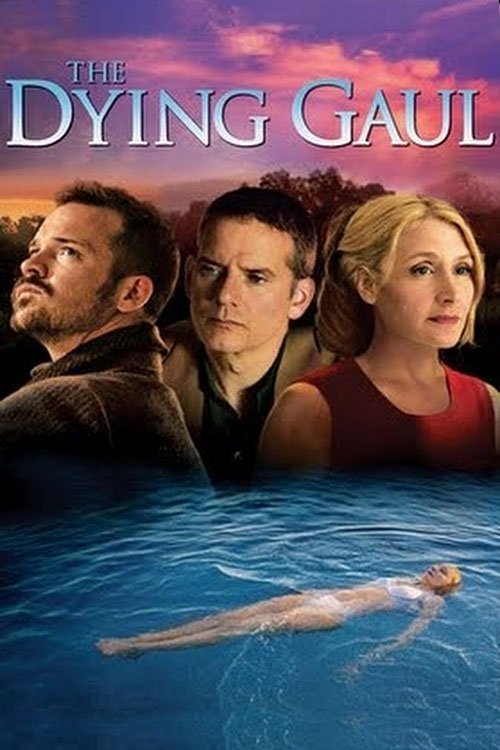
The Dying Gaul
2005
No user ratings available yet
Diversity score: 5.6 out of 10

2013
Director
Victoria Galardi
Runtime
86 minutes
Average Rating
No ratings yetSynopsis
Ana is a woman who has a love affair with her best friend's ex-husband, in a film about love, friendship, loneliness, fear, guilt, and the world of women.
Overall Score
Fair
Category Breakdown
LGBTQ+ Representation
The narrative centers on a heterosexual affair, providing no explicit evidence of queer identities. However, the film's focus on the 'world of women' creates a space where non-traditional dynamics might exist.
Gender Representation
The film prioritizes female experiences, exploring loneliness and the complexities of female friendship. This focus on emotional agency disrupts conventional male-centric storytelling and traditional domestic hierarchies.
Racial & Ethnic Diversity
There is no information available regarding the racial or ethnic composition of the cast. Consequently, the film's approach to racial diversity cannot be determined.
Religious & Cultural Diversity
The story examines guilt and fear through the lens of social transgression. This suggests a focus on subjective morality and the deconstruction of traditional social contracts.
Disability Representation
The provided context contains no evidence regarding the inclusion of characters with physical or neurodivergent disabilities.
Strengths
Areas for Improvement
AI Analysis
Victoria Galardi’s drama centers on the internal lives and interpersonal complexities of women. By focusing on themes of intimacy, betrayal, and the psychological consequences of social transgressions, the film moves away from patriarchal narrative structures to explore a specifically female-centric world. The film succeeds in centering female agency and emotional depth. It uses the tension of an affair to examine the nuances of friendship and the subversion of standard relational expectations. However, the film's impact on broader diversity is limited by a lack of visible representation in other areas. Without information on racial or disability demographics, the narrative remains a specialized, niche exploration of gendered emotional landscapes.
2005
2016

2021
2012
2006
2023
2011
2011
2020
2013
2020
1995
No reviews yet. Be the first to share your thoughts on this movie!
Use the rating form above to leave a star rating and optional review.