House of Pleasures
2011
No user ratings available yet
Representation score: 5.7 out of 10
Representation Score
Fair
2015
Director
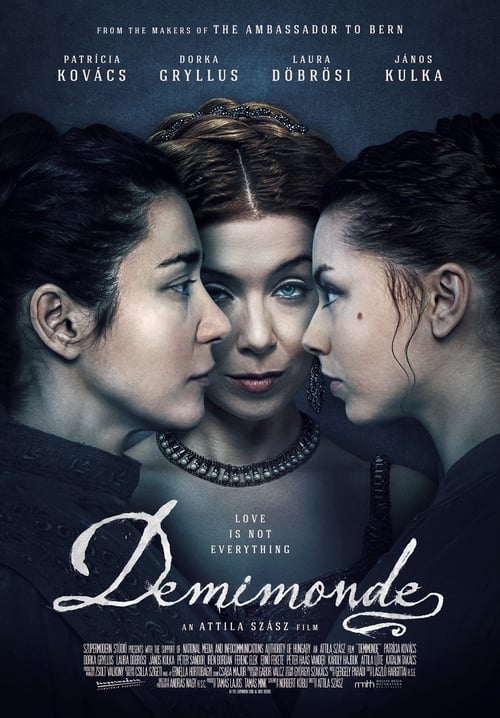
Attila Szász
Runtime
88 minutes
Average Rating
No ratings yetNew Showbiz Analysis
Demimonde stands out as a film that challenges traditional gender roles and focuses on the complex relationships and survival strategies of women in early 20th-century Budapest. It shifts away from typical historical narratives to highlight the ability to act of women in challenging times. The film excels in its portrayal of women’s roles and the nuanced ethical framework it applies to its characters. However, it falls short in offering significant ethnic or racial diversity among its main characters.
Category Breakdown
The film examines intense emotional and physical connections between three women, which may suggest a queer-coded dynamic. This relationship contrasts with the heterosexual norms of the early 20th century.
Women play key roles in driving the story and have economic influence. The film downplays traditional masculine authority, emphasizing female intelligence and social navigation.
The cast seems to be a homogeneous group of Central Europeans. Diversity is shown through socio-economic differences rather than ethnic or racial variety.
By highlighting individuals on the margins of society, the film critiques the morality of mainstream institutions. It presents these characters with a non-judgmental perspective.
There are no clear depictions of physical or neurological disabilities that significantly impact the main characters or drive the plot.
Present on Screen
Limited or Absent
Official Synopsis
The story of three women - a famous prostitute, her housekeeper and their new maid - living in Budapest of 1910s, whose passionate, bizarre and complex relationship can only lead to one thing: murder.
2011

2017
2021
2001
2018

2015
2003

2020
No reviews yet. Be the first to share your thoughts on this movie!
Use the rating form above to leave a star rating and optional review.