Escapement
1958
No user ratings available yet
Diversity score: 2.8 out of 10
1972
PGDirector
Lamont Johnson
Runtime
95 minutes
Average Rating
No ratings yetSynopsis
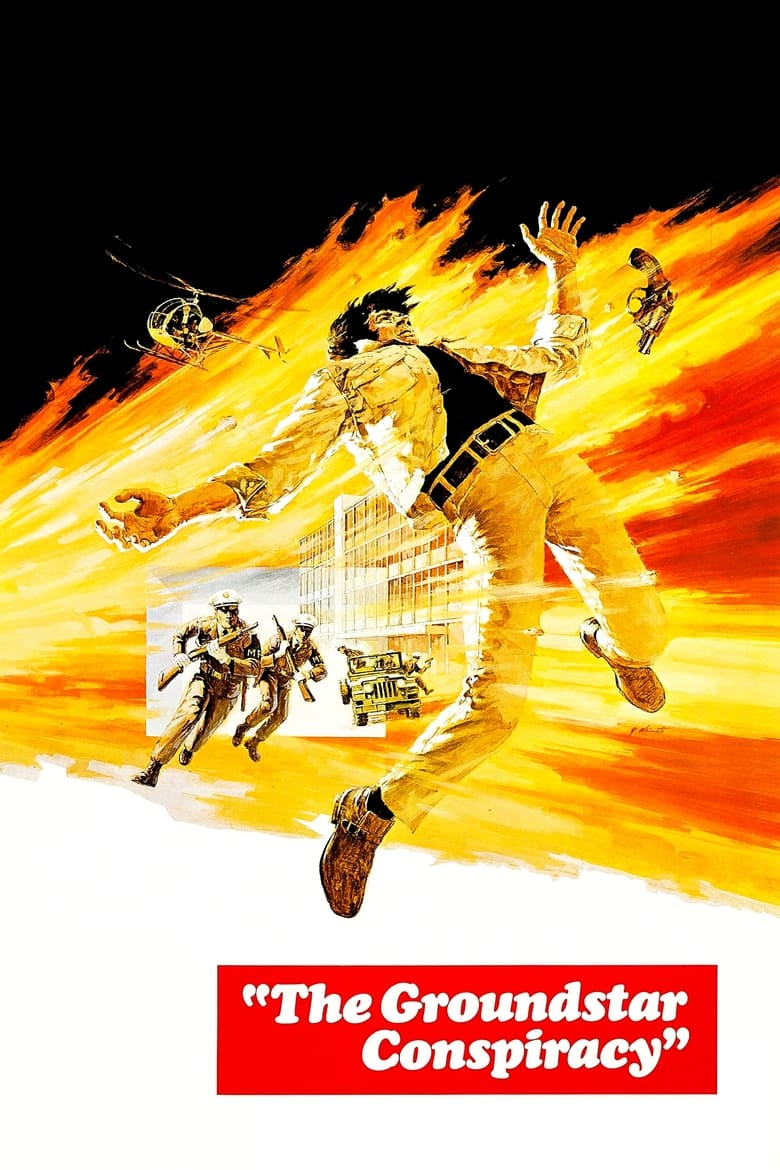
A break-in and sabotage attempt occurs at a top secret research institute and the culprit is cornered and captured. The problem is that he's been badly injured and claims to have lost his memory entirely. A cat-and-mouse game ensues between investigator Tuxan, the mystery intruder Welles and the people who sent him on the mission.
Overall Score
Limited
Category Breakdown
LGBTQ+ Representation
The film lacks explicit LGBTQ+ characters or narratives. It follows a traditional mystery framework without evidence of non-heteronormative identities.
Gender Representation
The story centers on a cat-and-mouse dynamic between Tuxan and Welles. It relies on standard genre archetypes without subverting traditional gender hierarchies.
Racial & Ethnic Diversity
The setting of a top-secret research institute suggests a homogeneous ensemble. There is no documented evidence of a diverse or non-Anglo-Saxon cast.
Religious & Cultural Diversity
The plot critiques institutional secrecy and systemic power. However, it is unclear if this extends to broader cultural or anti-Western frameworks.
Disability Representation
Welles suffers from physical injuries and total amnesia. These impairments appear to serve as plot devices for the mystery rather than nuanced character studies.
Strengths
Areas for Improvement
AI Analysis
The Groundstar Conspiracy functions as a conventional 1972 genre piece, prioritizing psychological tension and mystery over social commentary. The narrative structure relies heavily on established tropes of the era, such as institutional secrecy and high-concept science fiction. Representation is limited, with the central conflict revolving around masculine-coded archetypes of authority and conflict. While the protagonist's amnesia introduces cognitive impairment, it serves the plot's mechanics rather than exploring disability with depth. Ultimately, the film lacks the intersectional character development or progressive narrative architecture required to challenge social hierarchies, operating instead within the standard cinematic boundaries of its time.
No reviews yet. Be the first to share your thoughts on this movie!
Use the rating form above to leave a star rating and optional review.