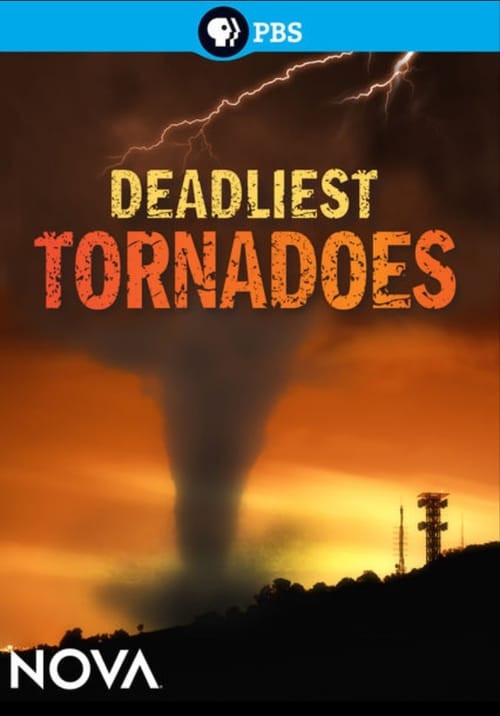
Deadliest Tornadoes
2012
No user ratings available yet
Representation score: 5.0 out of 10

Representation Score
Minimal
2020
TV-PGDirector
Michael Rossi
Runtime
54 minutes
Average Rating
No ratings yetNew Showbiz Analysis
The film opens with the visceral, chaotic roar of a tornado tearing through the American heartland, a visual representation of nature’s indifferent violence. Against this backdrop of destruction, the documentary positions Tetsuya Fujita not merely as an observer, but as the rational architect who imposed order on the chaos. The sold meaning is clear: scientific precision is the highest form of human dignity, a neutral refuge that transcends the xenophobia of post-war America. Fujita’s Japanese identity is presented as a source of unique forensic rigor, a "magical" outsider wisdom that heals the American scientific community’s inability to measure the storm. However, the film’s internal logic reveals a tension between its progressive subject and its traditional framing. While Fujita is the moral center, the narrative treats his acceptance into the Western scientific establishment as a meritocratic triumph rather than a systemic correction. The "cost" of the storm is human suffering, but the "reward" is the clarity of the F-scale, a tool that turns tragedy into data. The camera loves Fujita’s focused, bespectacled face in archival clips, contrasting it with the hollow, faceless victims in newsreels. This framing reinforces a liberal performance: the immigrant’s value is validated only when his work serves the national interest. The ending settles on the legacy of the Fujita Scale, a simple numerical yardstick that encapsulates the complexity of destruction. This final image is a moral verdict: order is the only way to comprehend chaos, and the scientist who provides that order is the true hero. The film is a retrospective on a victory, not a struggle, and it prints the legend of Fujita as a saint of rationality. While it successfully centers a non-white figure in a space traditionally dominated by white men, it does so by reinforcing the very institutions that marginalized him. The tornado is the handsome antagonist, but the real villain is the absence of a system that values human life over data. Fujita wins, but the camera loves the scale more than the man.
Category Breakdown
Absent. The narrative focuses exclusively on Fujita’s heterosexual family life and scientific career. No queer characters, relationships, or themes appear in the archival footage or voiceover.
Limited. Fujita serves as the sole competence center, with women appearing only as minor family members or victims in archival newsreels. The film reinforces traditional gender roles by framing male scientific authority as the primary vehicle for understanding and mitigating natural disaster.
Present. Fujita, a Japanese immigrant, is the central subject, challenging the all-white default of American science documentaries. His identity is treated as a source of unique forensic insight, though the narrative frames his acceptance through merit rather than systemic critique.
Contested. The film positions scientific objectivity and American institutional progress as the ultimate moral good. While it acknowledges Fujita’s post-war displacement, it treats the U.S. scientific establishment as a benevolent recipient of his "magical" outsider wisdom, minimizing the era’s xenophobia.
Absent. No characters with disabilities appear. Fujita’s physical body is intact in archival clips, and the film does not address impairment, neurodivergence, or accessibility.
Present on Screen
Limited or Absent
Official Synopsis
Meteorologist Tetsuya Theodore "Ted" Fujita spent ten months studying The Super Outbreak of 1974, which was the most intense tornado outbreak on record. Mr. Tornado is the remarkable story of the man whose groundbreaking work in research and applied science saved thousands of lives and helped Americans prepare for and respond to dangerous weather phenomena.
2012
2013
2011
2019
2013
2013

1995
2025
No reviews yet. Be the first to share your thoughts on this movie!
Use the rating form above to leave a star rating and optional review.