
My Mother's Split Personalities
2019
No user ratings available yet
Representation score: 5.0 out of 10
Representation Score
Fair
2012
PGDirector
Richard Gabai
Runtime
99 minutes
Average Rating
No ratings yetNew Showbiz Analysis
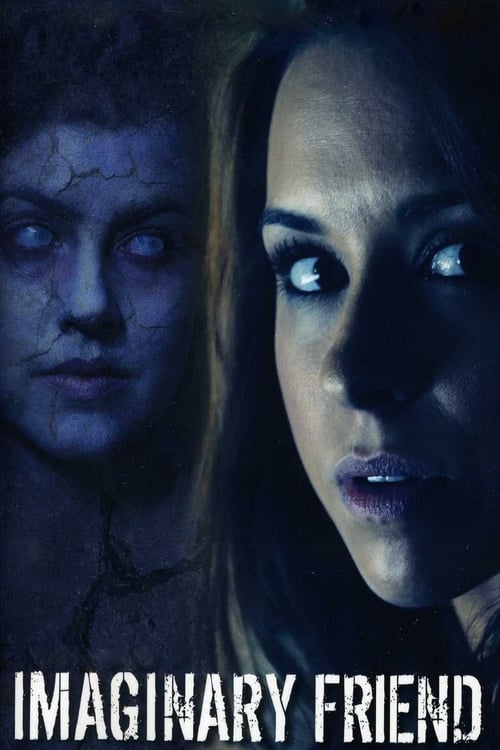
Imaginary Friend operates as a standard psychological thriller that prioritizes individual trauma over social critique. The narrative focuses heavily on the internal struggle of a single protagonist, which limits the scope for broader representation. While the film offers some depth regarding mental health and the long-term effects of childhood abuse, it remains tethered to traditional genre clichés. The protagonist's role is often framed through her psychological fragility rather than systemic empowerment. Ultimately, the film reinforces conventional domestic structures. It seeks to preserve the sanctity of the marital unit rather than challenging the social hierarchies or the overlapping aspects of identity that exist outside the nuclear family.
Category Breakdown
The story centers on a heterosexual marriage between Emma and Brad. There is no evidence of non-straight relationships or critiques of the assumption that everyone is straight.
Emma tries to take control over her mental state and marriage. However, the film leans into clichés that define female characters through vulnerability and perceived instability.
The narrative focuses on individual trauma without mentioning a diverse cast. It suggests a conventional, likely homogeneous presentation of a nuclear family unit.
The film explores the breakdown of stable home archetypes through past abuse. It prioritizes preserving the marital bond over broader cultural or systemic critiques.
Emma navigates significant psychological challenges and the effects of childhood trauma. The film provides a platform for exploring mental health and the struggle for autonomy.
Present on Screen
Limited or Absent
Official Synopsis
During her traumatic childhood with an abusive father, Emma relied on an imaginary friend for strength. She is now an artist struggling with mental illness living with her apparently loving husband, Brad. But when Emma's imaginary friend starts reappearing, she knows she's losing her grip. Desperate to save her marriage and show Brad she is in control, Emma takes drastic measures to free herself of her torment and her imaginary friend.
2019

2010

2006
2002

2016

2005

2019

2005
No reviews yet. Be the first to share your thoughts on this movie!
Use the rating form above to leave a star rating and optional review.