
She Gods of Shark Reef
1958
No user ratings available yet
Representation score: 1.4 out of 10
Representation Score
Minimal
1956
NRDirector
Roger Corman
Runtime
67 minutes
Average Rating
No ratings yetNew Showbiz Analysis
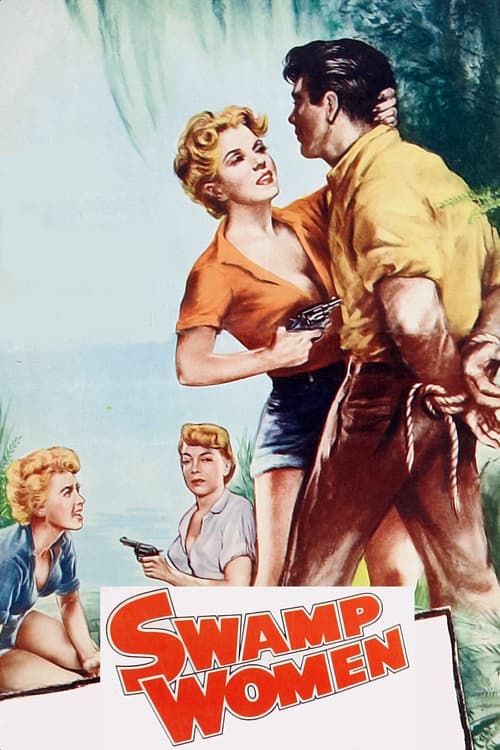
Swamp Women stands out for its era by challenging traditional gender roles. However, it lacks meaningful representation of race, LGBTQ+ identities, and disabilities. While it places women in positions of professional authority, the film remains tied to the conventions of its time, focusing on law and order without broader cultural critique.
Category Breakdown
The film doesn't include any characters with LGBTQ+ identities or same-sex relationships. The story focuses on crime and law enforcement.
Women play key roles in driving the plot, serving as professionals with authority and decisiveness.
The cast is mostly made up of people from similar backgrounds, reflecting the social context of 1956. There's no indication of diverse racial integration among the characters.
The story follows a traditional Western format focused on law and order. It doesn't question religion, capitalism, or Western institutions.
There are no characters with visible or invisible disabilities in the main storylines. The cast is defined by the physical demands of the adventure genre.
Present on Screen
Limited or Absent
Official Synopsis
An undercover policewoman helps three female convicts escape from prison so that they can lead her to a stash of stolen diamonds hidden in a swamp.
1958

1957
1958
1967
1949

1957
1974
1956
No reviews yet. Be the first to share your thoughts on this movie!
Use the rating form above to leave a star rating and optional review.