Adam & Steve
2005
No user ratings available yet
Representation score: 6.0 out of 10
Representation Score
Limited
1997
NRDirector
Brian Sloan
Runtime
90 minutes
Average Rating
No ratings yetNew Showbiz Analysis
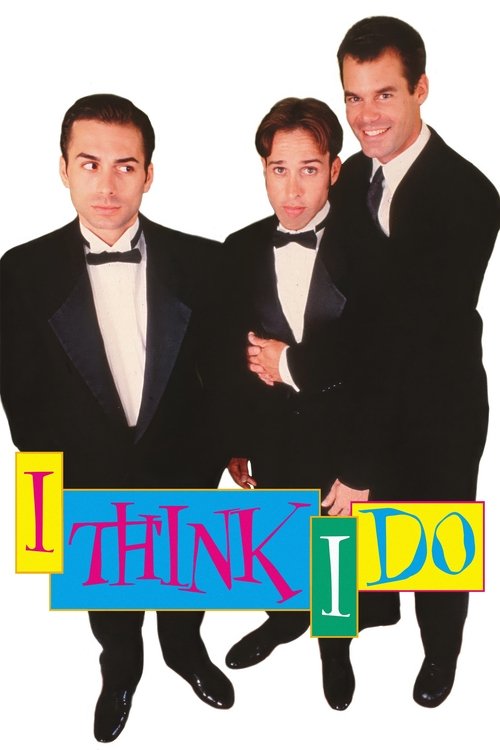
I Think I Do employs a queer narrative shift to drive its romantic tension, centering a same-sex emotional arc within a traditional wedding setting. This provides a meaningful departure from the standard romantic comedy clichés of the time. However, the film remains largely conventional in its broader social context. It lacks depth beyond the central queer narrative, focusing heavily on the male protagonists while marginalizing other identities. The narrative prioritizes individual romantic timing over a broader critique of social structures. Ultimately, the film is a character study of identity revelation. While it offers representation through its central conflict, it does not challenge the broader Western social frameworks in which it is set.
Category Breakdown
The story focuses on the tension between two male protagonists and Brendan's eventual coming out. While it deviates from typical heterosexual genre expectations, the revelation mainly serves to heighten the romantic tension.
The narrative emphasizes the emotional journeys of the male protagonists. Female characters play supporting roles, functioning primarily to enhance the central male interpersonal conflict.
The film depicts a relatively homogeneous demographic typical of 1997 British romantic comedies. There is no significant non-white representation.
The film explores interpersonal relationships within Western social institutions such as marriage and friendship. It focuses on personal ethics rather than critiquing cultural dominance.
There is no evidence of characters with physical or neurodivergent disabilities included in the film.
Present on Screen
Limited or Absent
Official Synopsis
The marriage of mutual friends reunites former college roommates Bob and Brendan, who tried to ignore the sexual tension that always flowed between them. Brendan finally comes out to Bob at the reception, but is it a case of too little, too late?
2005
1994

1994
1998

1996

1998

1997

1999
No reviews yet. Be the first to share your thoughts on this movie!
Use the rating form above to leave a star rating and optional review.