Evaru
2019
No user ratings available yet
Representation score: 2.0 out of 10
Representation Score
Good
2017
Director
Devashish Makhija
Runtime
104 minutes
Average Rating
No ratings yetNew Showbiz Analysis
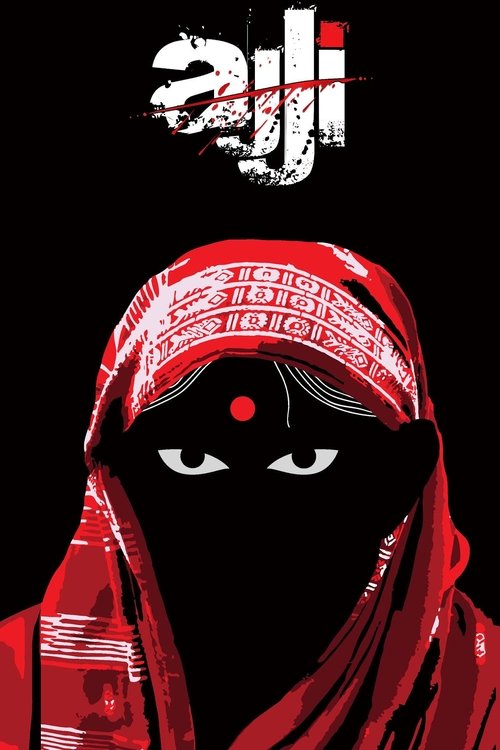
Ajji is a gritty social realist drama that deconstructs traditional power dynamics. By centering an elderly woman, the film challenges the cinematic tendency to depict the aged as passive or invisible. It uses a personal tragedy to expose systemic corruption within legal and political institutions. While the film excels at critiquing social structures and gender hierarchies, it lacks diverse representation. The absence of LGBTQ+ characters and a narrow focus on a specific domestic unit limit its diversity profile. Ultimately, the film succeeds as a sophisticated critique of the modern family and the state, prioritizing the role of a underrepresented character against a backdrop of systemic neglect.
Category Breakdown
The film does not include any LGBTQ+ characters or non-cisgender identities. It focuses solely on a straight-centered family structure centered around the granddaughter's experiences.
The story challenges traditional gender roles by featuring an elderly matriarch with strong autonomy. It highlights the failures of patriarchal systems and legal protections for the family.
The film provides a genuine, localized depiction of middle-class urban Indian life. It avoids a generalized perspective and emphasizes specific cultural and socioeconomic nuances.
The film critiques modern urban and capitalist structures that devalue the elderly. It portrays established political and legal institutions as inherently corrupt and oppressive.
The narrative examines the physical and social impacts of aging. It focuses on the social consequences of declining health rather than specific physical or neurodivergent conditions.
Present on Screen
Limited or Absent
Official Synopsis
After her 10-year-old granddaughter Manda is brutally raped by a serial sex offender, the young girl's Ajji sets out to seek revenge, after custodians of law refuse to bring the rapist to book, thanks to his influential political background.
2019

2017

2021

2020
2012

2002

2021
2016
No reviews yet. Be the first to share your thoughts on this movie!
Use the rating form above to leave a star rating and optional review.