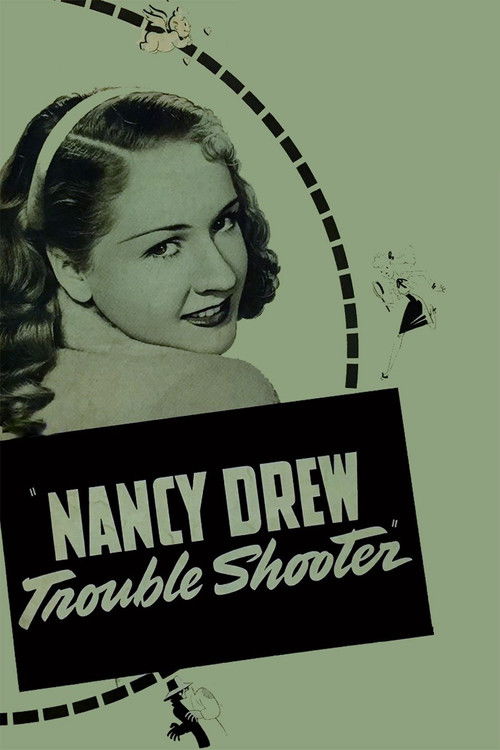
Nancy Drew... Trouble Shooter
1939
No user ratings available yet
Representation score: 2.5 out of 10
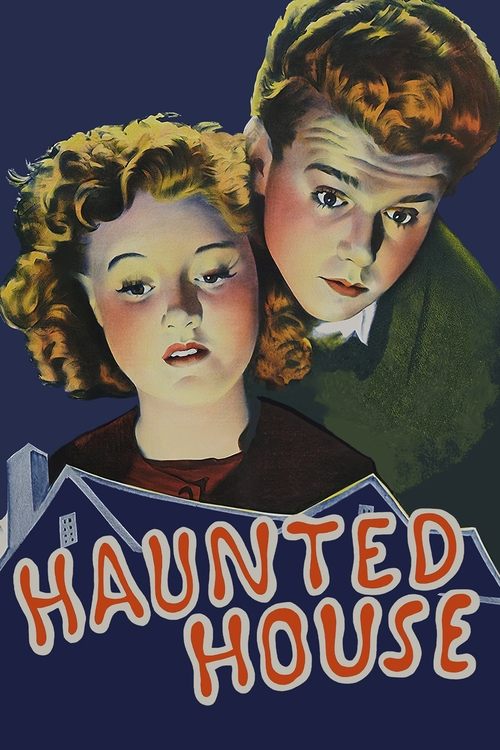
Representation Score
Minimal
1940
ApprovedDirector
Robert F. McGowan
Runtime
70 minutes
Average Rating
No ratings yetNew Showbiz Analysis
Haunted House is a period-typical mystery-comedy that prioritizes established social hierarchies over narrative subversion. While it offers a small degree of women's ability to drive the story through Millie's investigative success, the film remains firmly rooted in the demographic and social norms of 1940s studio filmmaking. The production lacks multi-layered depth, offering no representation for LGBTQ+ identities, diverse racial groups, or individuals with disabilities. It functions as a conventional genre piece rather than a vehicle for progressive storytelling. Ultimately, the film serves as a reflection of its era's standard cinematic conventions, focusing on restoring community order through traditional investigative methods.
Category Breakdown
The film does not include any LGBTQ+ characters or non-straight identities. It follows the traditional social structures of 1940s cinema.
Millie plays a key role by uncovering the critical clue. However, the power dynamics remain traditional, with male figures controlling both employment and the direction of the investigation.
The cast and setting reflect the homogeneous demographics of the time. There is no evidence of non-white or non-Anglo-Saxon representation in the narrative.
The story upholds traditional social order and legal truth. It operates within a standard framework of justice without challenging Western institutions or social hierarchies.
There are no characters depicted with visible or invisible disabilities. The narrative does not include neurodivergent or chronically ill individuals.
Present on Screen
Limited or Absent
Official Synopsis
Teenagers try to clear a friend accused of murder.
1939
1944

1940
1966
1939
1931
1944

1942
No reviews yet. Be the first to share your thoughts on this movie!
Use the rating form above to leave a star rating and optional review.