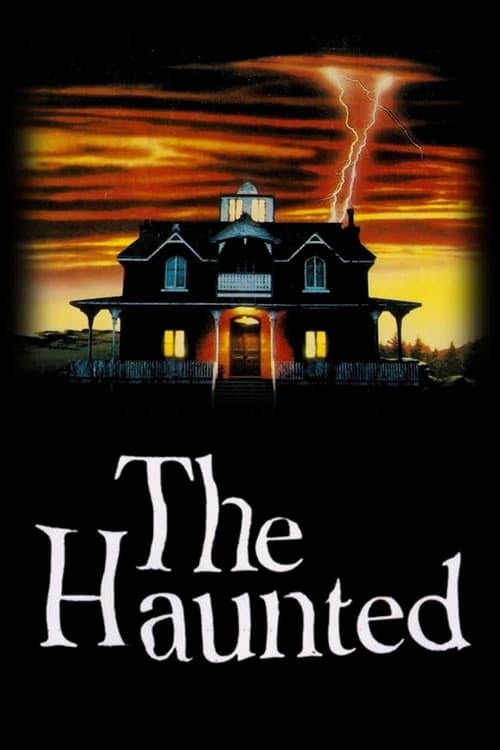
The Haunted
1991
No user ratings available yet
Representation score: 2.3 out of 10
Representation Score
Minimal
1983
TV-YDirector
Robert Chenault
Runtime
30 minutes
Average Rating
No ratings yetNew Showbiz Analysis
The film follows a conventional, period-typical structure for 1980s family horror. The narrative is driven by a localized, male-centric plot involving two young boys and a male ghost. Because the story focuses on a specific peer-group mystery, it lacks broader demographic variety. The characters and themes reflect the demographic homogeneity often found in television productions of this era. Ultimately, the film prioritizes traditional genre clichés over social or demographic disruption, resulting in a narrow representation of identity and culture.
Category Breakdown
The film does not include any LGBTQ+ characters or non-cisgender identities. The story focuses solely on the central mystery and the ghost.
The story centers around male protagonists and a male spectral figure. It lacks women's ability to drive the story and the subversion of traditional gender roles.
The character names suggest a homogeneous demographic typical of 1980s television. There is no evidence of a diverse or non-Anglo-Saxon cast.
The plot relies on traditional mystery clichés and localized legends. It focuses on peer-group dynamics without addressing systemic or cultural issues.
There is no mention of characters with physical, neurodivergent, or sensory disabilities. No assessment can be made regarding this category.
Present on Screen
Limited or Absent
Official Synopsis
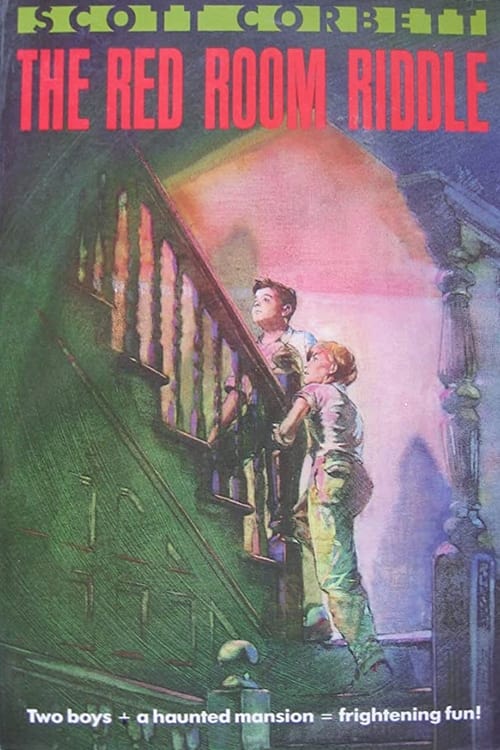
Two young boys, Todd & Bill, go snooping into an alleged haunted house as a club initiation. One of the upstairs rooms was supposedly inhabiting a ghost by the name of Jamie Bly, a young boy who burned in the room years before.
1991
1999
1996
1992
2000
1986
1992
1996
No reviews yet. Be the first to share your thoughts on this movie!
Use the rating form above to leave a star rating and optional review.