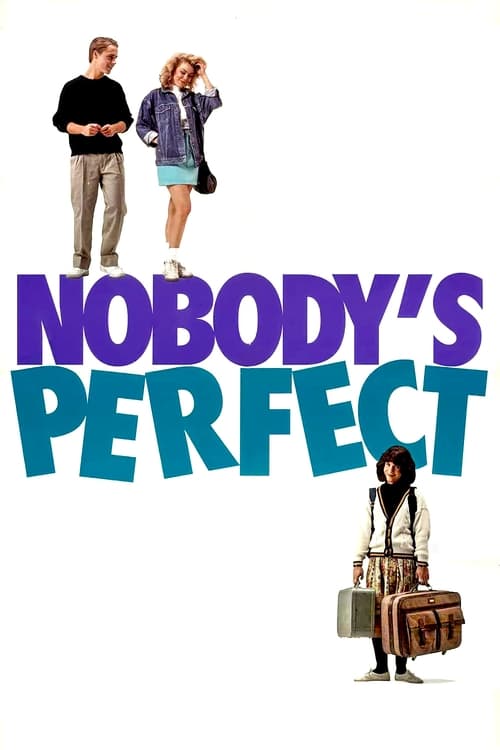
Nobody's Perfect
1990
No user ratings available yet
Representation score: 1.6 out of 10

Representation Score
Limited
1992
PG-13Director
Jimmy Zeilinger
Runtime
94 minutes
Average Rating
No ratings yetNew Showbiz Analysis
Little Sister is a product of its era, relying heavily on conventional comedic clichés that prioritize farce over meaningful representation. The plot centers on a male character's deceptive masquerade as a woman, using gender as a punchline rather than exploring identity with depth. The film lacks complexity, focusing on a narrow demographic within a collegiate setting. By relying on gender-based deception for humor, the narrative avoids engaging with the nuances of identity politics or systemic critique. Ultimately, the production adheres to a non-challenging structure that reinforces traditional social binaries and homogeneous environments.
Category Breakdown
The film uses a comedic deception where a male character pretends to be a woman for a prank. It focuses on humor rather than the lived experiences of those with diverse gender identities.
Gender is used primarily for situational comedy and slapstick humor. The story uses a fish-out-of-water scenario that reinforces traditional gender binaries rather than challenging social hierarchies.
The setting suggests a homogeneous college environment typical of early 90s comedies. There is no indication of a diverse cast or varied ethnic perspectives.
The story operates within traditional Western college social structures. It emphasizes interpersonal romantic tension and social maneuvering without addressing systemic or institutional power dynamics.
There are no visible or invisible disabilities depicted or central to the character arcs in this film.
Present on Screen
Limited or Absent
Official Synopsis
Bobby is a college freshman and as part of a fraternity prank, he poses as Roberta and becomes pledged into a sorority. There he falls madly in love with Diana. As the game escalates, Bobby finds it increasingly hard to keep his twin identities separate...
1990

2006
1969
1985
1984

2001

2017

1998
No reviews yet. Be the first to share your thoughts on this movie!
Use the rating form above to leave a star rating and optional review.