Problemat profesora Czelawy
1986
No user ratings available yet
Representation score: 4.5 out of 10
Representation Score
Minimal
1974
TV-14Director
Malcolm Taylor
Average Rating
No ratings yetNew Showbiz Analysis
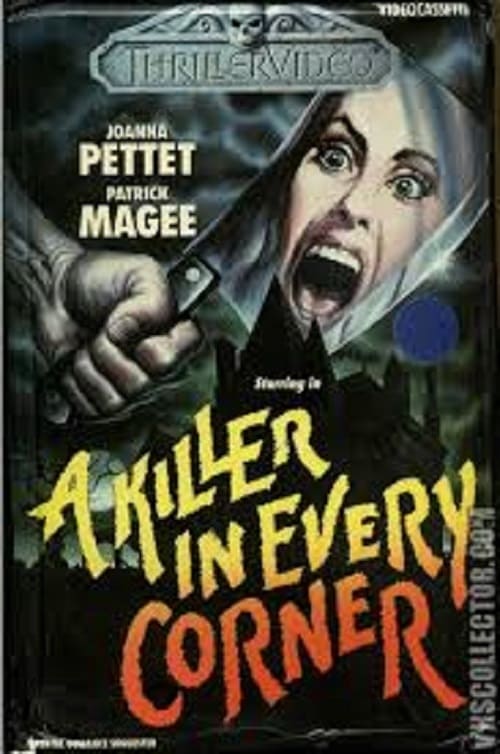
A Killer in Every Corner reflects the 1974 television era, emphasizing traditional power dynamics over progressive representation. The narrative structure relies on a male authority figure exerting control over a group of subjects, a common cliché in horror films. The setting and social framework suggest a lack of diversity, reinforcing historical class structures and demographic homogeneity typical of mid-70s genre films. Ultimately, the film focuses on institutional corruption and academic manipulation without engaging meaningfully with diverse identities.
Category Breakdown
The film does not include any characters or themes related to LGBTQ+ identities or non-cisgender experiences.
The story revolves around a male psychologist who holds significant control over his students, reinforcing traditional patriarchal structures.
Set in the English countryside, the film likely features a predominantly white cast with no diversity in racial backgrounds.
The narrative emphasizes traditional Western class hierarchies through the depiction of servants and an English estate, reinforcing historical social stratifications.
Mental manipulation is used as a plot device for victimization, without representing neurodiversity or mental health issues.
Present on Screen
Limited or Absent
Official Synopsis
A criminal psychologist invites three psychology students to his English countryside home to view some of his research on the criminal mind. Unbeknownst to the students, they are actually guinea pigs in a mind-control experiment he is conducting and the servants of the house are not what they appear to be.
1986
1972
1970
1935
1970

2005
1992
1962
No reviews yet. Be the first to share your thoughts on this movie!
Use the rating form above to leave a star rating and optional review.