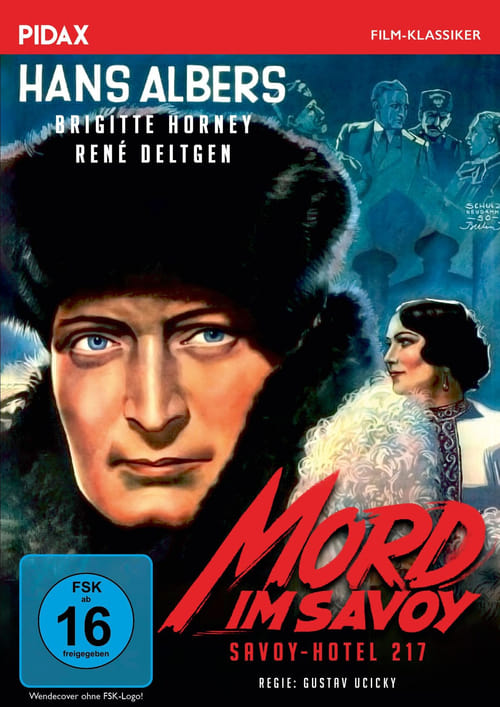
Savoy-Hotel 217
1936
No user ratings available yet
Representation score: 2.9 out of 10
Representation Score
Minimal
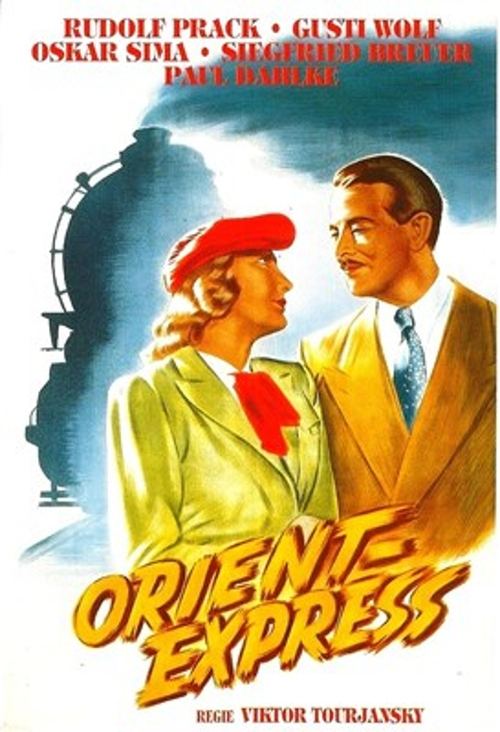
1944
Director
Viktor Tourjansky
Runtime
86 minutes
Average Rating
No ratings yetNew Showbiz Analysis
Orient-Express (1944) is a period crime drama that adheres strictly to the genre conventions of its era. The narrative structure prioritizes a traditional mystery format over the inclusion of diverse identities or the disruption of social hierarchies. The film relies on established archetypes, with professional authority figures and social roles reflecting the mid-century status quo. While the setting suggests international travel, the character dynamics appear rooted in the homogeneous casting standards of the time. Ultimately, the work functions as a classic whodunit, focusing on institutional resolution and traditional moral frameworks rather than social subversion.
Category Breakdown
The film does not include any characters with non-binary genders or same-sex relationships. It follows a traditional whodunit structure that assumes everyone is straight and cisgender.
Female characters like the divorced wife and Vera Panaid appear, but their roles are not clearly defined. Professional authority roles, such as the detective and lawyer, follow traditional masculine stereotypes.
While the Orient Express setting suggests a cosmopolitan atmosphere, the film likely reflects the homogeneous casting standards of 1940s European production. There is no indication of diverse casting.
The narrative focuses on restoring order through institutional investigation. It supports traditional legal structures rather than offering critiques of Western or secular moral frameworks.
There is no information available regarding the inclusion of characters with physical or neurodivergent disabilities in this production.
Present on Screen
Limited or Absent
Official Synopsis
The emergency braking of the Orient Express causes chaos. When the lights are switched back on, lawyer Branko is found murdered in his compartment. The Rarna Criminal Investigation Department starts investigating immediately. There are several suspects: Baron Hübner and his divorced wife, the seemingly too staid private detective Holzer and the mysterious Vera Panaid. Suddenly, the mysterious case takes a surprising turn...
1936

1946
1965
1948
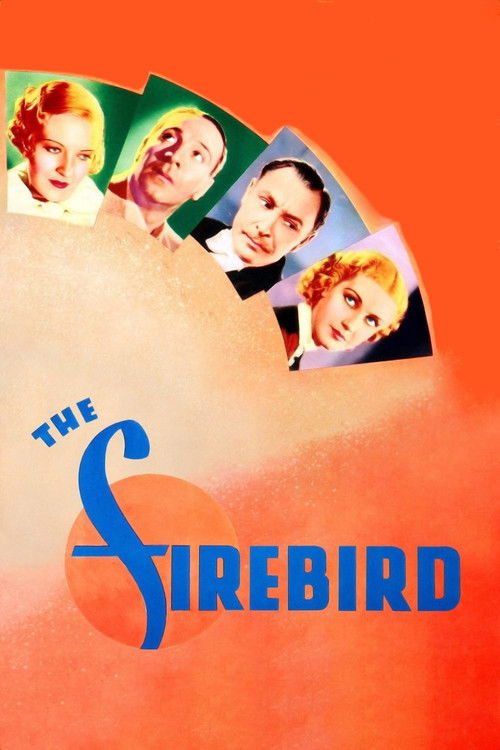
1934
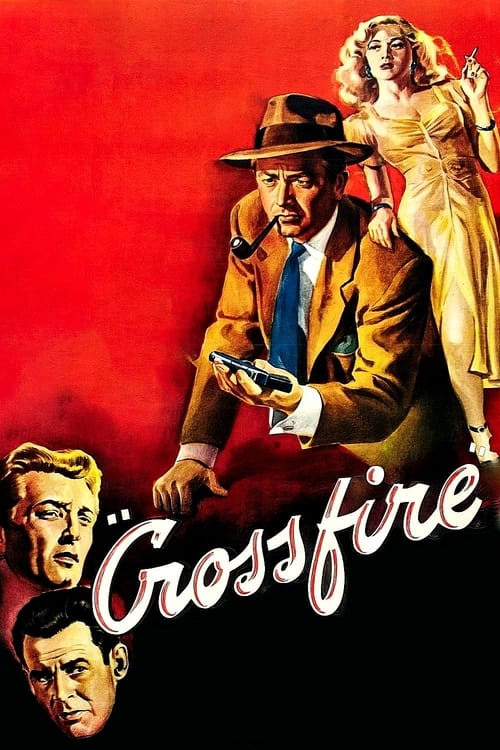
1947
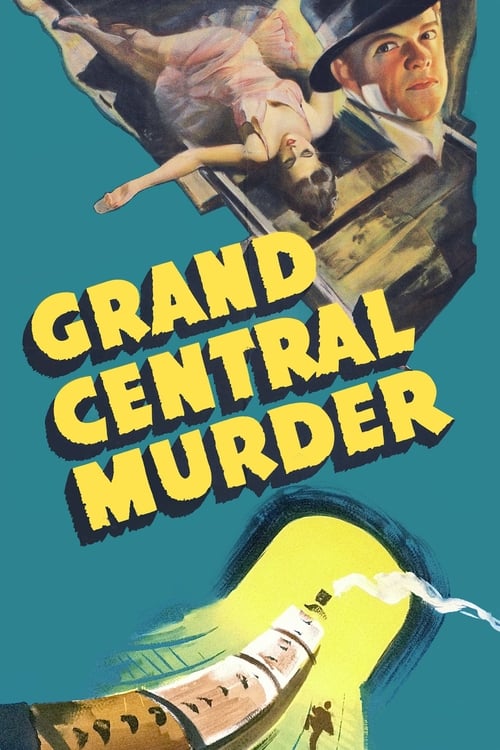
1942
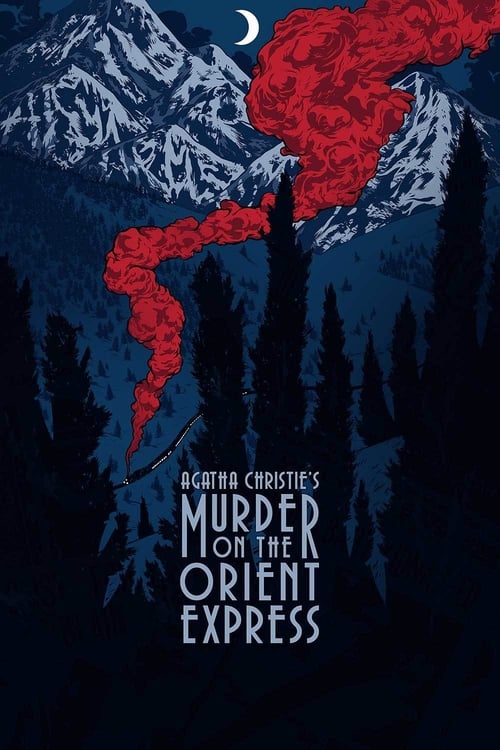
1974
No reviews yet. Be the first to share your thoughts on this movie!
Use the rating form above to leave a star rating and optional review.