
No Man Is an Island
1962
No user ratings available yet
Representation score: 2.4 out of 10
Representation Score
Minimal
1953
NRDirector
Roy Boulting
Runtime
83 minutes
Average Rating
No ratings yetNew Showbiz Analysis
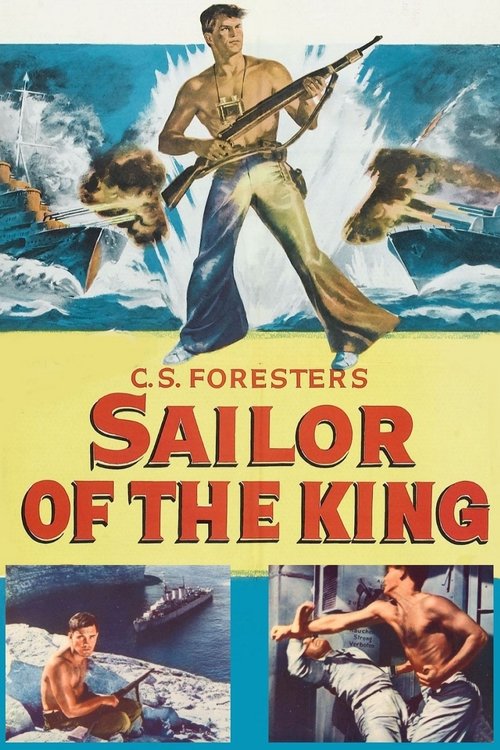
Sailor of the King is a classic mid-century British farce that prioritizes escapism over social commentary. The film relies on established social hierarchies and conventional character types typical of 1953 cinema. The narrative centers on the Royal Navy, creating a male-dominated environment where women have limited influence over the plot. While the setting offers some ethnic variety, the cast remains largely uniform and follows the era's standard casting practices. Ultimately, the film aims to reinforce the status quo. It lacks the intention to disrupt traditional norms, focusing instead on institutional loyalty and standard social dynamics.
Category Breakdown
The film follows the social norms of the 1950s, focusing on male friendships and heterosexual relationships without including any non-binary gender identities or same-sex intimacy.
Women in the film mainly serve as secondary characters or catalysts for romance. The story emphasizes male dominance in naval settings and upholds traditional gender roles.
The Mediterranean setting adds local ethnic flavor, but the cast remains mostly uniform. There is no indication of diverse casting or challenging Anglo-centric norms.
The story celebrates traditional British institutions and patriotism through a comedic lens, reinforcing social stability without critiquing systemic authority.
The film does not include characters with visible or invisible disabilities. Disability is not used as a theme or plot device.
Present on Screen
Limited or Absent
Official Synopsis
A British naval officer has a brief affair with a woman in England and never knows that she bears him a son. 20 years later the boy is on a ship under his command when he is tracking a German Raider. When the boy is captured after his ship is sunk, he finds a way to slow the German's progress while a lethal hunt for him goes on.
1962

1941

1931

1942
1943
1957
1943

1955
No reviews yet. Be the first to share your thoughts on this movie!
Use the rating form above to leave a star rating and optional review.