Legacy
2021
No user ratings available yet
Representation score: 6.1 out of 10
Representation Score
Good
2012
Director
Alan Ereira
Runtime
89 minutes
Average Rating
No ratings yetNew Showbiz Analysis
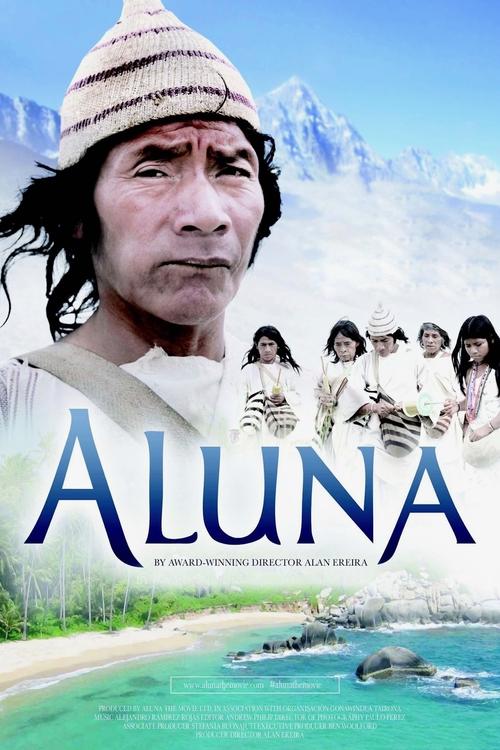
Aluna is a powerful ethnographic film that shifts the power dynamic from the observer to the observed. By centering the Kogi people as the primary intellectual drivers, the film disrupts conventional environmentalist clichés that typically rely on Western scientific authority. It effectively replaces the 'explorer' gaze with a model of indigenous sovereignty. However, the film's focus on communal and ancestral structures means it lacks depth regarding individual identity politics. While it excels at challenging Western-centric paradigms, it offers little visibility into LGBTQ+ identities or specific gendered ability to act beyond broad cultural descriptions. Ultimately, the documentary is a significant disruption of Western-centric narratives. It frames the 'Western way' as the problematic variable in a global crisis, prioritizing a non-secular, interconnected view of nature over industrial modernity.
Category Breakdown
The film centers on the communal and ancestral structures of the Kogi people. There are no explicit LGBTQ+ character arcs or non-straight identities within the narrative.
The documentary emphasizes a communal balance that contrasts with Western patriarchal hierarchies. It highlights indigenous stewardship and ancestral wisdom rather than traditional Western masculine leadership.
The Kogi people serve as the primary protagonists and intellectual leaders. This approach grants them a significant role in driving the story, disrupting the typical 'explorer' cliché by centering indigenous authority.
The film challenges Western industrial paradigms by prioritizing indigenous spirituality. It frames the Kogi's worldview as a necessary critique of global environmental mismanagement and capitalist expansion.
There is no documented evidence suggesting that disability or neurodivergence are central themes. The narrative does not use physical impairment as a plot device.
Present on Screen
Limited or Absent
Official Synopsis
Twenty years ago Alan Ereira's influential television film From The Heart of the World: The Elder Brothers' Warning brought global attention to the Kogi people of Colombia, a remote and ancient South American civilization determined to caution us about environmental damage to the earth. Now, two decades later and convinced that their message has gone unheeded, the next generation of Kogi are reaching out to the world once more with a much more specific warning about the future of the planet.
2021
2007

2017
2015

2021

2020
2015
2009
No reviews yet. Be the first to share your thoughts on this movie!
Use the rating form above to leave a star rating and optional review.