
Sicilian Ghost Story
2017
No user ratings available yet
Diversity score: 5.8 out of 10
2001
Director
Wojciech Marczewski
Runtime
95 minutes
Average Rating
No ratings yetSynopsis
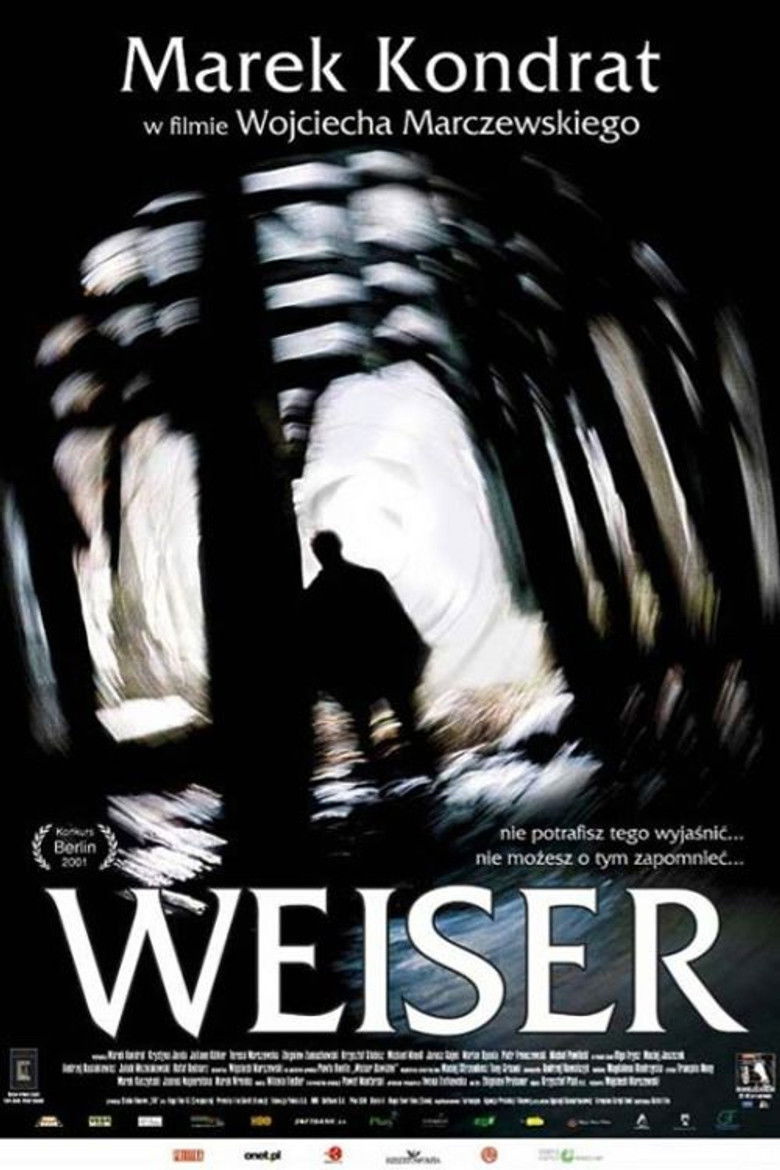
The film is based on the well-known, translated into many languages novel of writer Pawel Huelle. It is imbued with nostalgia and the atmosphere of mystery story of a group of children, fascinated by the figure of a man named David Weiser.
Overall Score
Limited
Category Breakdown
LGBTQ+ Representation
The film lacks prominent LGBTQ+ characters or storylines. It focuses instead on the male protagonist's psychological decline and his interactions within 1950s Polish social structures.
Gender Representation
The narrative is dominated by male perspectives and traditional hierarchies reflecting mid-20th-century constraints. Women appear within the social fabric but do not drive the central plot.
Racial & Ethnic Diversity
Casting and setting are intentionally homogeneous to maintain historical authenticity in Stalinist-era Poland. The film does not feature diverse ethnic backgrounds or race-bent casting.
Religious & Cultural Diversity
The film excels at critiquing traditional power structures and the corrupt state apparatus. It offers a sophisticated deconstruction of authority and the breakdown of social trust.
Disability Representation
There is no significant focus on visible or invisible disabilities. Character struggles are primarily psychological and ethical, stemming from surveillance and betrayal.
Strengths
Areas for Improvement
AI Analysis
Weiser is a period piece deeply rooted in the specific socio-political context of post-war Eastern Europe. Because it prioritizes historical authenticity within Stalinist-era Poland, it lacks demographic diversity in terms of race, gender, and LGBTQ+ representation. However, the film finds its strength in cultural and systemic critique. It subverts the trope of the state as a protector, instead portraying centralized authority as a source of moral decay. This intellectual depth provides a progressive narrative architecture despite the narrow demographic scope. Ultimately, the film is a study of individual agency versus systemic oppression. While it fails to represent a wide array of identities, it succeeds in a profound deconstruction of institutional stability and nationalistic tropes.
No reviews yet. Be the first to share your thoughts on this movie!
Use the rating form above to leave a star rating and optional review.