Find another title
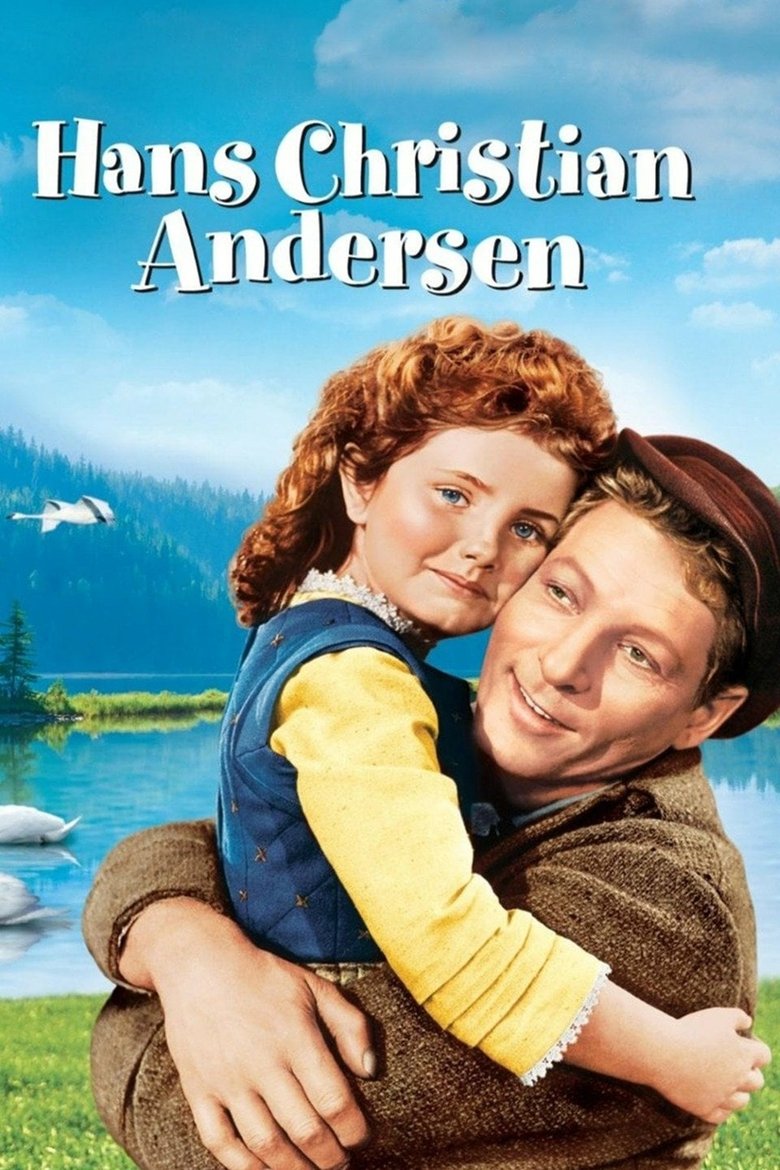
Hans Christian Andersen
1952
NRDirector
Charles Vidor
Runtime
112 minutes
Average Rating
No ratings yetSynopsis
A small-town shoemaker with a knack for spinning yarns, Hans encounters happiness and heartbreak on his road to becoming a full-fledged writer.
Where to Watch
Diversity & Representation
Overall Score
Limited
Category Breakdown
LGBTQ+ Representation
The film focuses on Andersen's unrequited romantic longings for female figures. While it touches on his status as a social outsider, it lacks explicit queer identities or subtext that challenges heteronormativity.
Gender Representation
The narrative relies on mid-century hierarchies, centering on the male protagonist's emotional journey. Female characters primarily serve as catalysts for his development or as objects of romantic affection.
Racial & Ethnic Diversity
Set in 19th-century Denmark, the film depicts a homogeneous European social structure. There is a notable lack of racial or ethnic diversity within the primary cast and setting.
Religious & Cultural Diversity
The story follows a classic rags-to-riches trajectory that celebrates individual merit. It emphasizes personal perseverance and integration into high society rather than critiquing Western social institutions.
Disability Representation
There are no prominent depictions of physical or neurodivergent disabilities that drive the plot or serve as central character traits.
Strengths
- The film offers a polished, high-gloss studio production characteristic of mid-century romanticism.
- It provides a clear, engaging rags-to-riches narrative focused on the triumph of the individual spirit.
Areas for Improvement
- The film lacks racial and ethnic diversity, presenting a largely homogeneous European social landscape.
- Gender roles are limited to traditional tropes, with women primarily serving as romantic catalysts for the male lead.
- The narrative avoids systemic critiques, opting instead to celebrate assimilation into existing social hierarchies.
AI Analysis
Charles Vidor's film is a quintessential mid-century studio production that prioritizes romanticism and traditional biographical storytelling. It adheres strictly to the social hierarchies and narrative structures of its era. The film explores the tension between creative identity and rigid social structures, but it does so through the lens of personal achievement. Rather than offering a systemic critique, the story focuses on the protagonist's eventual assimilation into the social order. Ultimately, the work reinforces conventional gender roles and a homogeneous Western landscape, prioritizing a classic tale of individual triumph over diverse or intersectional representation.
Rate this Movie
Reviews
No reviews yet. Be the first to share your thoughts on this movie!
Use the rating form above to leave a star rating and optional review.