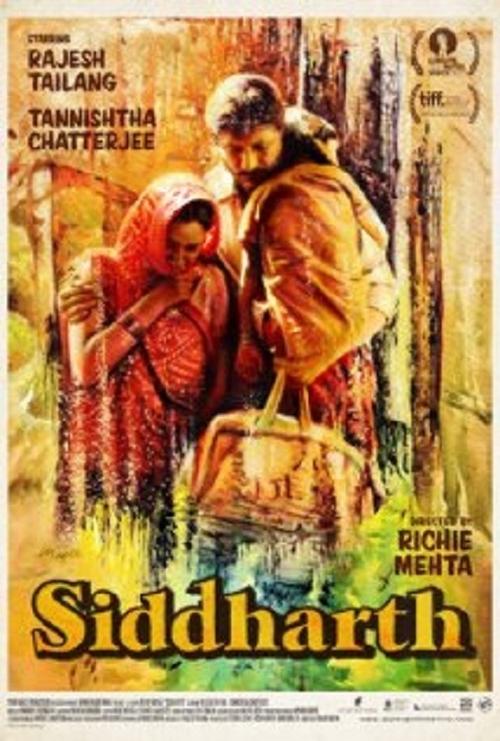
Siddharth
2013
No user ratings available yet
Representation score: 8.3 out of 10

Representation Score
Excellent
2014
Director
Partho Sen-Gupta
Runtime
85 minutes
Average Rating
No ratings yetNew Showbiz Analysis
Sunrise is a gritty, neo-realist drama that excels in its cultural specificity. By grounding the story in the authentic socioeconomic landscape of Mumbai, it avoids Westernized clichés and provides a localized, non-Anglo-Saxon perspective. The film effectively critiques systemic social decay and the male gaze. It uses the vulnerability of its characters to highlight the failures of patriarchal and capitalist structures within an urban environment. However, the film lacks diversity in specific identity categories. It does not center LGBTQ+ narratives or provide meaningful roles for characters with disabilities, focusing instead on the psychological toll of grief.
Category Breakdown
The film does not include explicit LGBTQ+ identities or stories that challenge the assumption that everyone is straight or cisgender. Instead, it focuses on a family tragedy and the predatory nature of the nightlife industry.
The narrative highlights the impact of patriarchal failures on the domestic sphere. The depiction of the Paradise nightclub serves as a critique of the male gaze.
The film achieves high cultural authenticity through an entirely Indian cast and setting. It avoids Western-centric storytelling by immersing viewers in the specific socioeconomic textures of Mumbai.
The story explores the breakdown of traditional moral frameworks and social order. It uses urban realism to critique capitalist exploitation and the corruption of social institutions.
Psychological trauma and grief drive the protagonist's obsession. These elements function as plot devices rather than independent explorations of neurodivergence or disability.
Present on Screen
Limited or Absent
Official Synopsis
Inspector Joshi is a grieving father searching for his daughter Aruna, kidnapped years ago when she was six. In his despair, life converges with a recurring dream in which Joshi pursues a shadowy figure who leads him to 'Paradise', a night-club where teenage girls dance to a leering crowd. He is convinced he will find Aruna there and vows to bring her back to Leela, his broken wife.
2013

2013

2021

2014

2020

2023

2015
2017
No reviews yet. Be the first to share your thoughts on this movie!
Use the rating form above to leave a star rating and optional review.