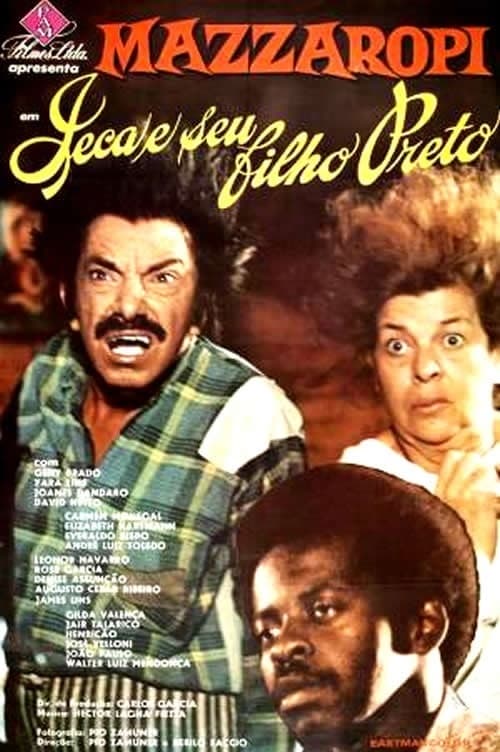
Jeca e Seu Filho Preto
1978
No user ratings available yet
Diversity score: 5.3 out of 10
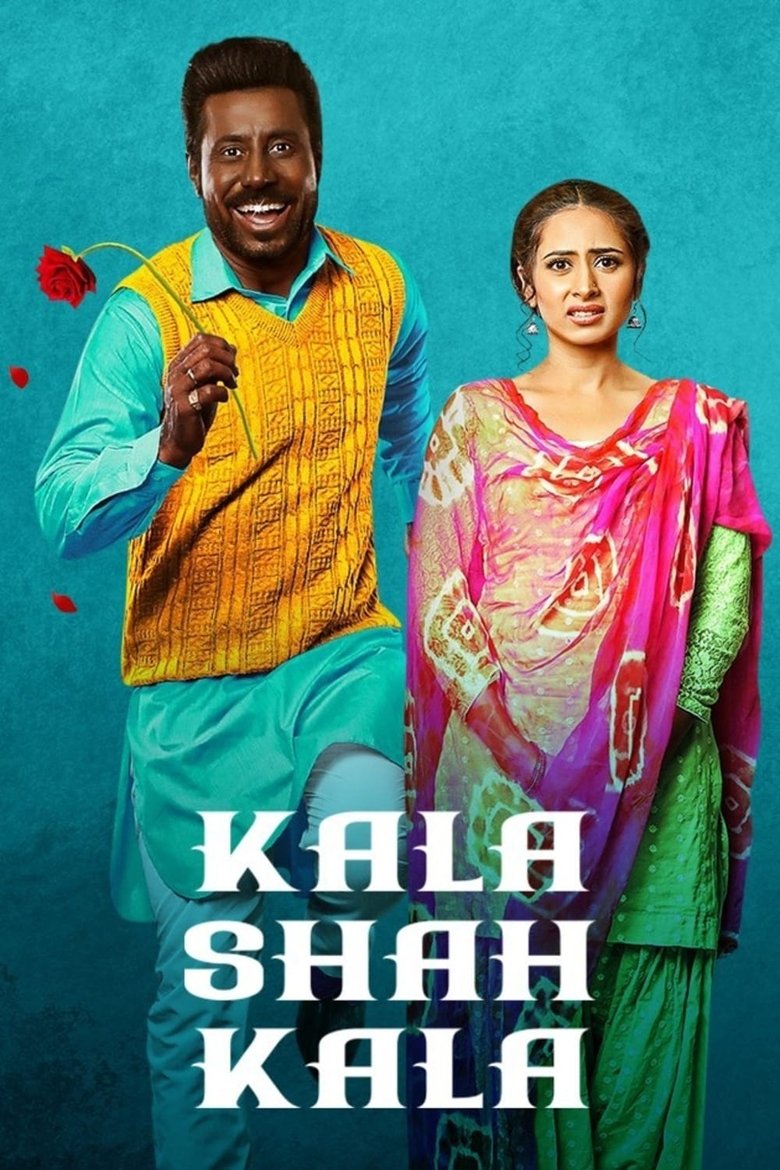
2019
Director
Amarjit Singh
Runtime
140 minutes
Average Rating
No ratings yetSynopsis
This Valentine's, Naag & Pammi will redefine romance for you in Kala Shah Kala, an upcoming Indian-Punjabi romedy film which celebrates the much maligned and universal butt of jokes the colour black. Lovely (Binnu Dhillon) a happy go lucky & charming guy struggles to find the love of his life because of his dark complexion. Pammi (Sargun Mehta) is everything he dreamt of, and for a while it sure seems like a match made in heaven, but alas Lovely will have to prove yet again that it's not the colour of the skin that matters but your heart and soul that matter and always wins!
Overall Score
Good
Category Breakdown
LGBTQ+ Representation
The film operates within a strictly heteronormative framework. It lacks explicit LGBTQ+ narratives or non-cisnormative identities, focusing entirely on the central romantic pairing.
Gender Representation
Beauty standards are presented as a shared societal pressure affecting both men and women. While the male lead drives the conflict, the female lead acts as a vital catalyst for his growth.
Racial & Ethnic Diversity
The narrative excels by deconstructing intra-ethnic hierarchies and colorism. It challenges the 'fairness' trope by repositioning dark skin as a site of agency and emotional depth.
Religious & Cultural Diversity
The story offers a sophisticated critique of traditional social norms and colonial beauty standards. It prioritizes individual authenticity over rigid, exclusionary societal judgments.
Disability Representation
There are no prominent depictions of physical or neurodivergent disabilities. No such traits serve as central drivers for the characters or the plot.
Strengths
Areas for Improvement
AI Analysis
Kala Shah Kala uses the romantic comedy genre to tackle the systemic issue of colorism in South Asian society. By centering the plot on a protagonist's dark complexion, the film disrupts conventional beauty standards and challenges the traditional aesthetic preferences that dictate romantic success. The film's primary strength is its intentional deconstruction of skin-tone hierarchies. It moves beyond simple comedy to critique the post-colonial legacies that influence modern perceptions of beauty and social mobility. However, the film remains limited in its intersectional scope. It does not engage with LGBTQ+ identities or disability representation, staying within traditional romantic and social frameworks.
1978
2009
2009

2012

2015

2017
2019

2019
2017
2018
2017
2019
No reviews yet. Be the first to share your thoughts on this movie!
Use the rating form above to leave a star rating and optional review.