When Secrets Kill
1997
No user ratings available yet
Representation score: 1.8 out of 10
Representation Score
Limited
1998
TV-PGDirector
Stuart Margolin
Runtime
94 minutes
Average Rating
No ratings yetNew Showbiz Analysis
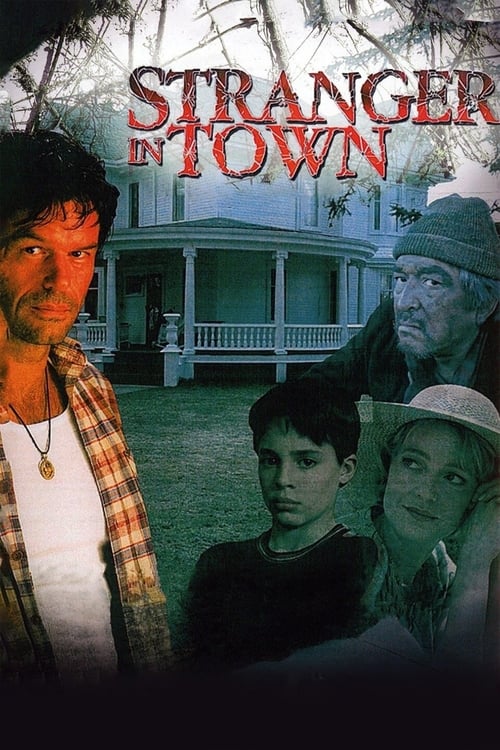
Stranger in Town functions as a typical late-90s television drama. It provides some diversity through casting, particularly with Graham Greene, but does not delve deeply into social critique. The film’s narrative structure adheres to traditional forms. While it acknowledges non-nuclear families through a single mother, it does not actively challenge established social hierarchies or gender roles. Overall, the work offers a conventional viewing experience. It avoids progressive systemic critiques in favor of a traditional exploration of community boundaries and outsider suspicion.
Category Breakdown
The film does not include any explicit LGBTQ+ characters or narratives. The family structure follows a traditional model without addressing queer identities or non-assuming gender matches what was assigned at birth expressions.
A single mother serves as a central figure, offering a departure from the nuclear family model. However, the film does not clearly challenge traditional gender roles or masculinity.
The casting of Graham Greene provides some racial diversity. This presence suggests the ensemble includes actors from different backgrounds, though specific racial dynamics are not defined.
The story follows a conventional suspense framework. It lacks an anti-Western or overtly secularist agenda, focusing instead on traditional outsider dynamics within a community.
There is no mention of characters dealing with physical, neurodivergent, or mental health conditions. No representation of disability is present in the narrative.
Present on Screen
Limited or Absent
Official Synopsis
A 13-year-old boy, whose single mother moved her family from the big city to a small town, begins to suspect that a stranger who befriends his family is not who he initially appears to be. Harry Hamlin, Graham Green, Rebecca Jenkins and Trevor Blumas star.
1997

1976
1996

2021

1996

2009

1994
2019
No reviews yet. Be the first to share your thoughts on this movie!
Use the rating form above to leave a star rating and optional review.