The Night That Panicked America
1975
No user ratings available yet
Representation score: 1.4 out of 10
Representation Score
Minimal
2006
Director
James Kent
Runtime
90 minutes
Average Rating
No ratings yetNew Showbiz Analysis
This docudrama focuses on accurately depicting the late 19th century, emphasizing historical fidelity over challenging traditional narratives. By following the social structures of the Victorian era, the film inherently limits its ability to show diverse perspectives. The production centers on a British experience, leading to a predominantly white cast and a lack of diverse cultural viewpoints. The narrative emphasizes male-driven scientific and military responses to the Martian invasion.
Category Breakdown
The film strictly adheres to the social norms of the late 19th century, where there is no depiction of non-straight or non-cisgender identities. It prioritizes historical accuracy over showing LGBTQ+ representation.
Men hold nearly all the power in the film, particularly in military and scientific roles. Women are mostly confined to domestic or reactive roles, reinforcing traditional gender hierarchies of the time.
The cast is overwhelmingly white and British, with no significant presence of non-Anglo-Saxon characters. The film does not employ color-blind casting to include a wider range of ethnicities.
The film portrays the breakdown of social order through a lens of survivalism, without critiquing the underlying systems. Religious and social institutions are shown as historical fixtures without being questioned.
The film does not depict any characters with visible or invisible disabilities.
Present on Screen
Limited or Absent
Official Synopsis
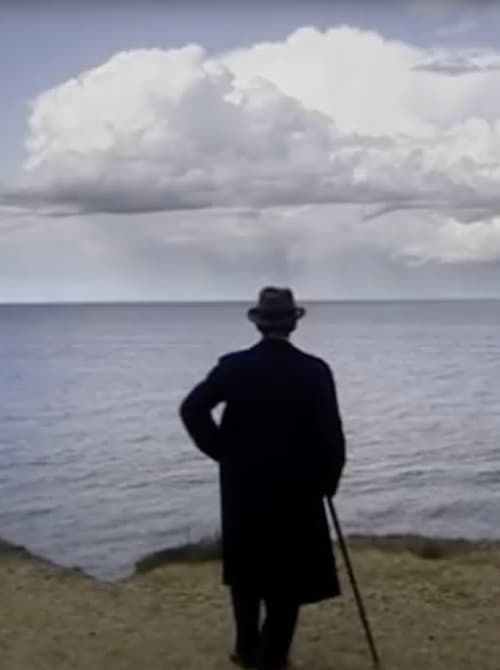
BBC docudrama telling the story of the father of science fiction, HG Wells, and his ambition to avert mankind's headlong course towards self-destruction.
1975
2014
2005
2015

1965
1965

2009

1985
No reviews yet. Be the first to share your thoughts on this movie!
Use the rating form above to leave a star rating and optional review.