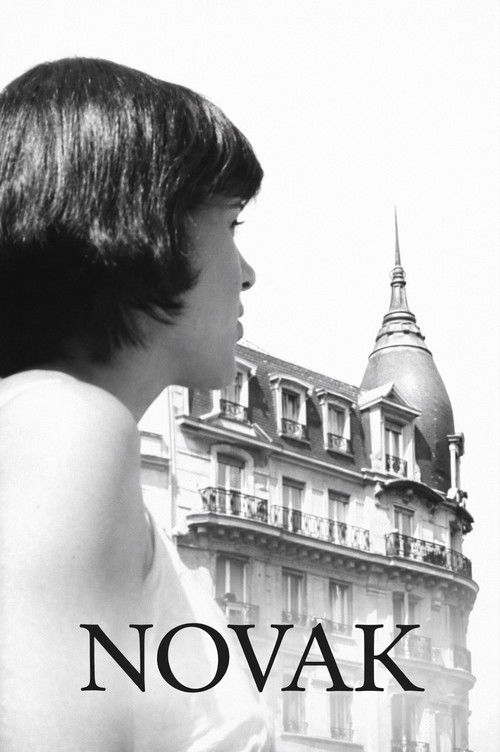
Novak
2009
No user ratings available yet
Representation score: 5.1 out of 10

Representation Score
Fair
2015
Director
SABU
Runtime
106 minutes
Average Rating
No ratings yetNew Showbiz Analysis
SABU employs a surreal fantasy to critique social structures and the rigidity of fate. By presenting the divine as a flawed bureaucracy, the film challenges the stability of established hierarchies. The narrative empowers a underrepresented figure—a former gangster—to act as the primary agent of change. This disrupts the predictability of social roles and traditional storytelling. While the film lacks explicit LGBTQ+ or disability representation, it uses its unique setting and metaphysical premise to question systemic control.
Category Breakdown
The romantic relationship focuses on Chas and Yuri. There are no explicit non-straight or queer hints in the story.
Yuri starts as a passive character needing rescue, which is a traditional cliché. However, the unpredictable plot suggests she might become more active later.
Setting the story in Okinawa highlights a distinct cultural identity. This avoids the homogeneity found in mainstream metropolitan Japanese dramas.
The film questions religious sanctity by showing God as a demanding, bureaucratic employer. It emphasizes individual ability to act over strict religious dogma.
There are no visible or invisible disabilities mentioned in the provided narrative details.
Present on Screen
Limited or Absent
Official Synopsis
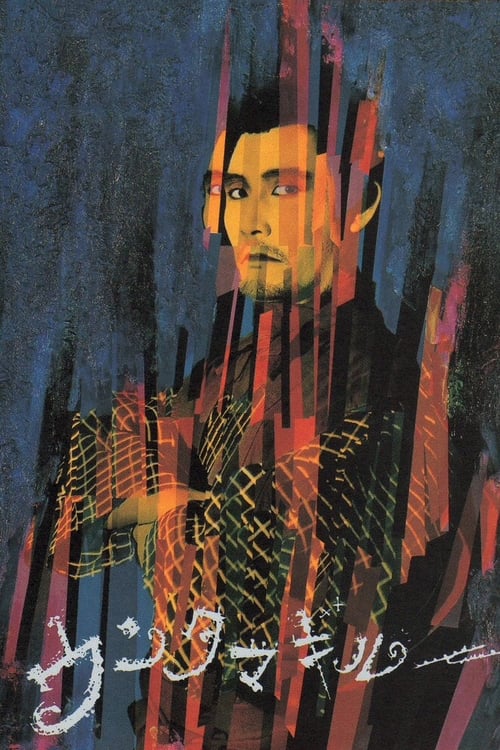
In heaven, scriptwriters wearing white robes labor over scrolls to inscribe the fates of earthlings. Heavenly tea server Chasuke falls in love with a girl on earth named Yuri, who is fated to die in a traffic accident, and he scrambles to protect her, but…
2009

1946
1987
1941
1989
2004
1997
1977
No reviews yet. Be the first to share your thoughts on this movie!
Use the rating form above to leave a star rating and optional review.