Our Family Wedding
2010
No user ratings available yet
Representation score: 5.1 out of 10
Representation Score
Fair
2011
PG-13Director
Salim Akil
Runtime
112 minutes
Average Rating
No ratings yetNew Showbiz Analysis
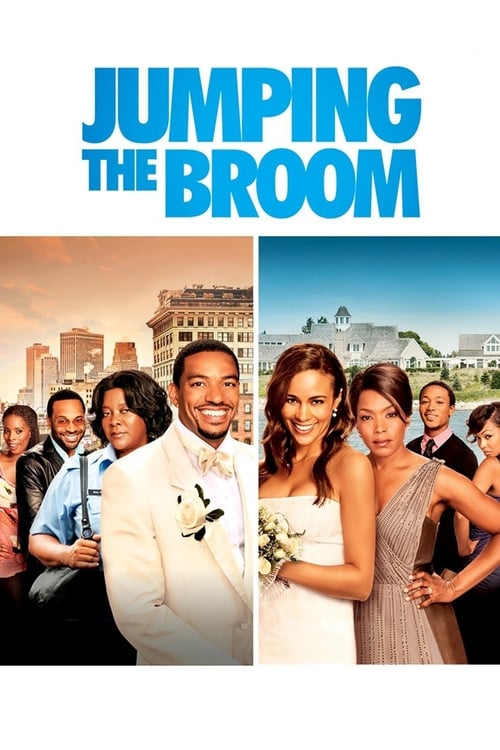
Jumping the Broom is a nuanced exploration of the African American experience, particularly focusing on how socioeconomic class influences identity. By contrasting the Miller and Jones families, the film avoids broad racial stereotypes and offers a detailed look at individual characters. The narrative structure emphasizes the empowerment of women and their emotional intelligence, moving away from traditional gender roles. It uses the wedding setting to explore the tension between traditional social norms and modern social change. However, the film's scope is limited by a lack of representation for LGBTQ+ individuals and those with disabilities. While it provides a rich cultural critique, these absences restrict a more inclusive perspective.
Category Breakdown
The film does not feature any prominent LGBTQ+ characters or storylines that are central to the plot. It stays within traditional romantic structures and does not engage with non-straight relationships.
Female characters play key roles in maintaining family cohesion and emotional intelligence. The narrative challenges traditional gender roles by emphasizing the influence of matriarchs and evolving female roles.
The film stands out by showcasing the diverse experiences within the African American community through class distinctions. It highlights the differences between middle-class and working-class families to illustrate the varied realities of African Americans.
The story examines the tension between traditional values and contemporary social changes. It critiques Western social structures by pointing out income disparities and the evolving nature of social identity.
There are no prominent characters with visible or invisible disabilities that serve as central plot drivers.
Present on Screen
Limited or Absent
Official Synopsis
Two very different families converge on Martha's Vineyard one weekend for a wedding.
2010

2018
2011
1950
2007
2013
2022
2013
No reviews yet. Be the first to share your thoughts on this movie!
Use the rating form above to leave a star rating and optional review.