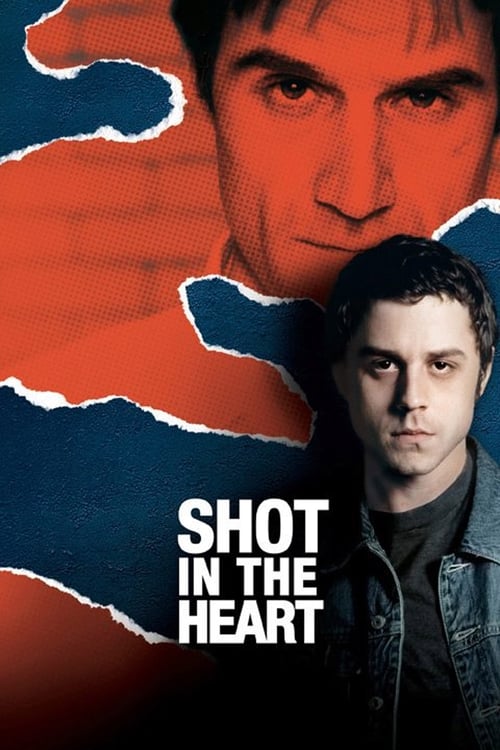
Shot in the Heart
2001
No user ratings available yet
Representation score: 5.3 out of 10

Representation Score
Fair
1994
TV-14Director
Nicolas Roeg
Runtime
100 minutes
Average Rating
No ratings yetNew Showbiz Analysis
Nicolas Roeg’s adaptation serves as a critique of the colonialist framework, highlighting the systemic violence of the white-dominated hierarchy. Despite its success in challenging Western narratives, the film struggles to give meaningful roles to its non-European and female characters. The film frames the colonial enterprise as morally corrupt rather than noble, aligning with post-colonial critiques of Western hegemony. However, it fails to provide nuanced representations of mental health conditions.
Category Breakdown
The film centers on a masculine expedition through the Congo, with no representation of non-straight or non-cisgender identities.
The story emphasizes a male-dominated journey with minimal roles for women, who have little control over their circumstances.
African characters appear but are often shown as laborers or victims of the colonial system, with limited influence over their lives.
The film criticizes Western institutions and the 'civilizing mission' by portraying imperialism and capitalism as corrupt and destructive forces.
Psychological instability is used as a metaphor for moral decay, without exploring the complexities of mental health issues.
Present on Screen
Limited or Absent
Official Synopsis
A trading company manager travels up an African river to find a missing outpost head and discovers the depth of evil in humanity's soul.
2001
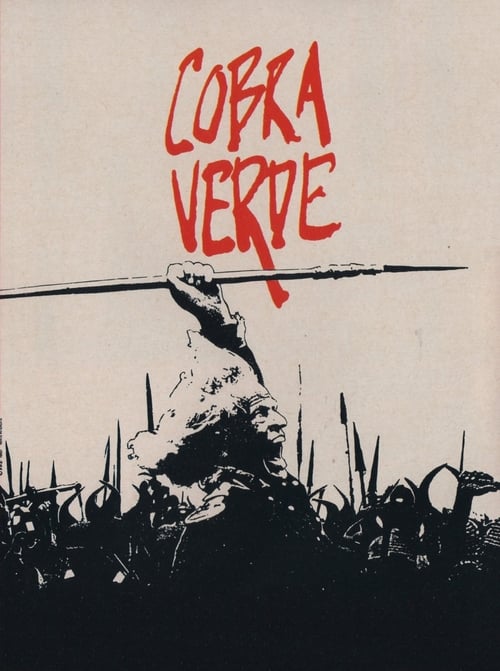
1987

1982

1989
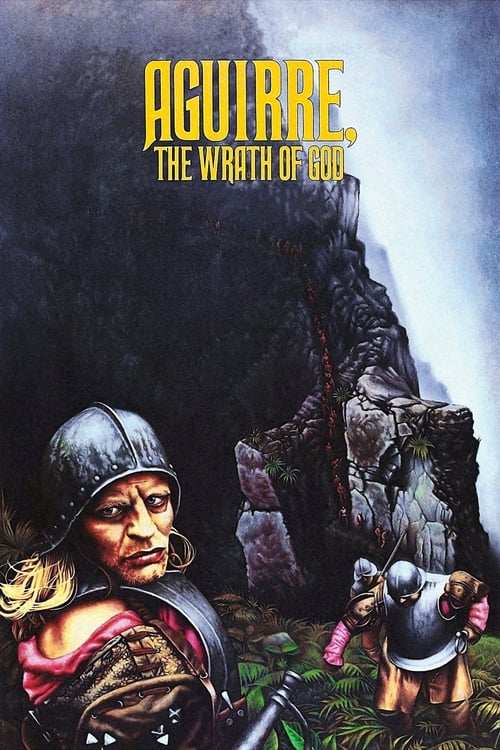
1972

1971

1994
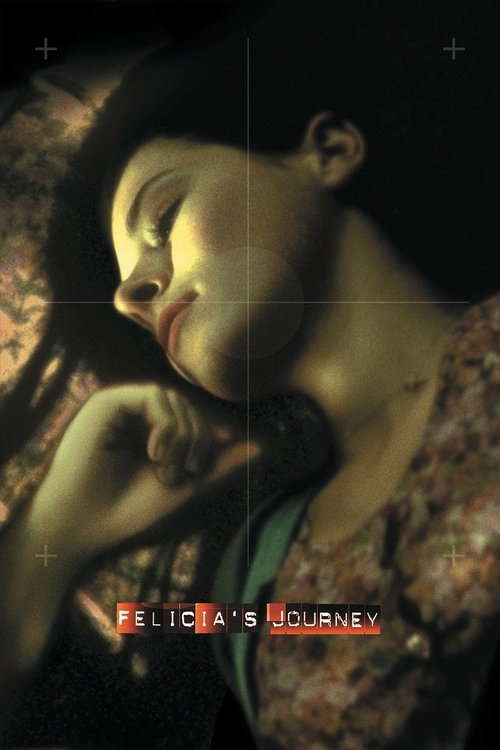
1999
No reviews yet. Be the first to share your thoughts on this movie!
Use the rating form above to leave a star rating and optional review.