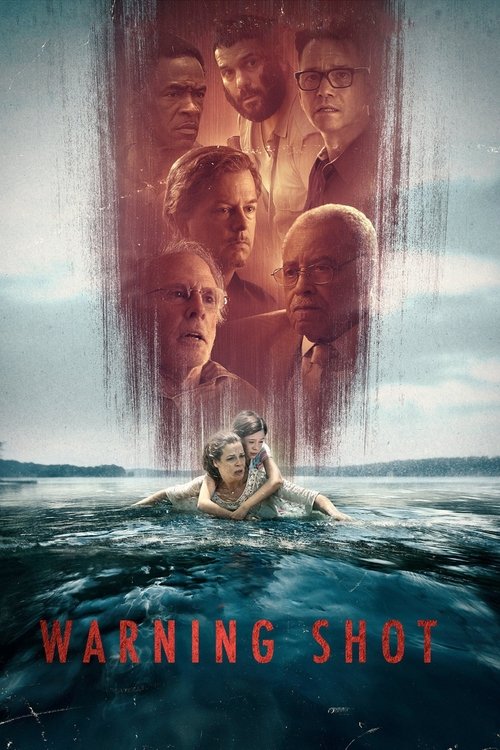
Warning Shot
2018
No user ratings available yet
Representation score: 3.3 out of 10

Representation Score
Fair
2015
RDirector
Kimberly Levin
Runtime
90 minutes
Average Rating
No ratings yetNew Showbiz Analysis
Runoff functions as a localized drama that deconstructs the idealized pastoral myth. It replaces the romanticized view of farm life with a gritty exploration of economic survival and systemic pressures. The film's strength lies in its subversion of traditional gender roles, placing a woman at the center of a desperate struggle for survival. However, the narrative appears limited in its racial and LGBTQ+ breadth.
Category Breakdown
The film does not include any visible representations of LGBTQ+ identities or characters questioning traditional gender roles.
Betty is a strong female lead who actively drives the main conflict, challenging traditional patriarchal roles where men are usually the primary protectors.
The story focuses on a small farm town, suggesting a homogeneous population without any evidence of a diverse cast or non-Anglo-Saxon characters.
The film critiques the romanticized idea of farm life by highlighting its underlying harsh realities. It explores systemic oppression through unstable land ownership and survival struggles.
There is no information about characters with visible or invisible disabilities in the story.
Present on Screen
Limited or Absent
Official Synopsis
The beauty of the land cannot mask the brutality of a farm town. As harvest draws near, Betty confronts a terrifying new reality and will go to desperate lengths to save her family when they are threatened with being forced from their land.
2018

1984

2017

2022

2020
2021

2019
1990
No reviews yet. Be the first to share your thoughts on this movie!
Use the rating form above to leave a star rating and optional review.