
Not of This Earth
1995
No user ratings available yet
Representation score: 3.5 out of 10
Representation Score
Limited
1998
Director
Peter Markle
Runtime
95 minutes
Average Rating
No ratings yetNew Showbiz Analysis
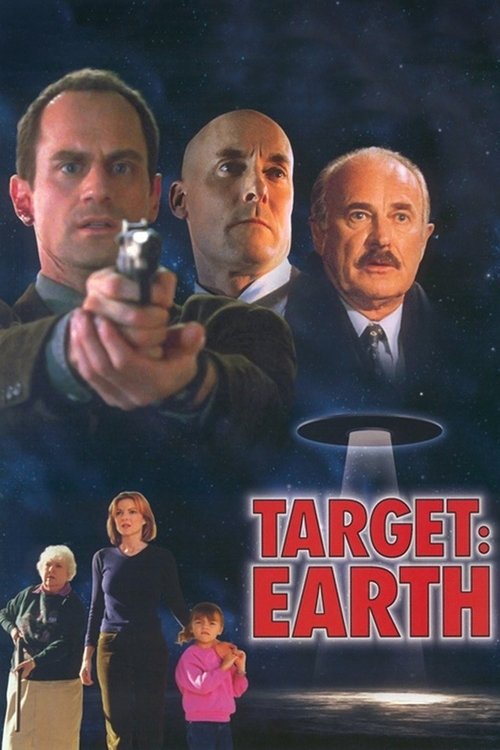
Target Earth functions as a conventional survivalist genre piece. It prioritizes traditional clichés of heroism and collective preservation rather than exploring identity politics or deconstructing systemic power dynamics. The film's creative pedigree suggests a traditional approach to filmmaking. It lacks the complexity required for a higher progressive rating, focusing on established genre archetypes and homogeneous ensembles. Overall, the production aligns with the standard practices of the late 1990s, favoring traditional genre conventions.
Category Breakdown
The film does not include characters with non-binary gender identities or narratives that question the assumption that everyone is straight. It follows typical late-90s science fiction themes focused on straight relationships.
While the concept of 'unlikely heroes' suggests potential for female protagonists, the specific character arcs are not detailed. The film likely adheres to traditional masculine leadership roles common in 1998.
The story centers on a global threat, which often defaults to a Western-centric perspective. There is no evidence of a non-white majority cast or actors playing roles traditionally held by white characters.
The premise of saving mankind reinforces traditional values of patriotism and social preservation. The heroic framework suggests a defense of the status quo and institutional stability.
There is no verifiable evidence regarding the inclusion of characters with visible or invisible disabilities. No disability-driven ability to act or specific clichés are documented.
Present on Screen
Limited or Absent
Official Synopsis
Unlikely heroes must overcome incredible dangers to save mankind from the threat of an alien invasion.
1995

1999
1995

2002

1996

1985
1991

1998
No reviews yet. Be the first to share your thoughts on this movie!
Use the rating form above to leave a star rating and optional review.