The Beginning and End of the Universe
2016
No user ratings available yet
Representation score: 7.7 out of 10
Representation Score
Good
1988
GDirector
Hector Stewart
Runtime
51 minutes
Average Rating
No ratings yetNew Showbiz Analysis
The documentary effectively explores broad scientific topics using a secular perspective. It discusses universal questions and scientific thinking while moving away from religious dogma. However, the film reflects the demographics of its time, featuring a predominantly male panel with limited diversity in gender, race, and ethnicity. Despite these limitations, the film excels in representing physical disabilities, focusing on cognitive abilities rather than inspirational themes.
Category Breakdown
The film does not include any LGBTQ+ characters or stories about non-straight relationships.
The panel includes mostly male experts. The film does not feature women playing a significant role in the main scientific discussions.
The cast is made up of people with similar backgrounds, reflecting the intellectual community of the late 20th century. There is no effort to include a mix of races or ethnicities.
The film focuses on scientific inquiry and secularism, avoiding religious beliefs. It uses modern ideas to discuss universal questions and scientific thinking.
Stephen Hawking's presence highlights physical disabilities. The film emphasizes his cognitive abilities rather than focusing on inspirational themes.
Present on Screen
Limited or Absent
Official Synopsis
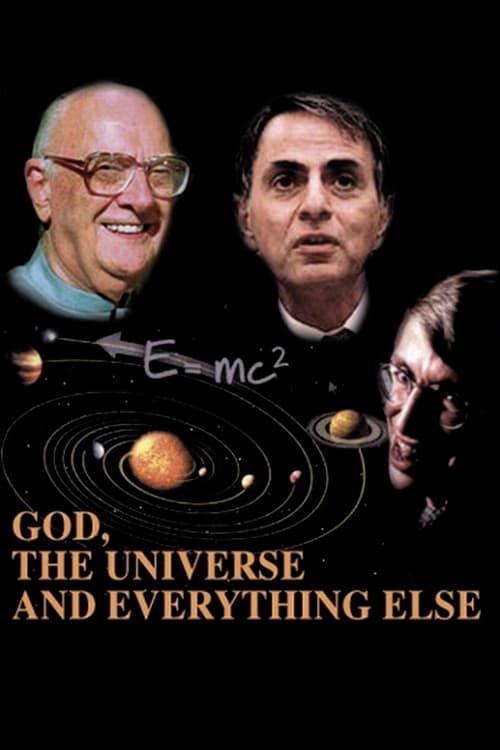
In a studio setting, Stephen Hawking, Arthur C. Clarke and Carl Sagan (who joins them via satellite) discuss the Big Bang theory, God, our existence as well as the possibility of extraterrestrial life.
2016
2022
2010
2013
2011

2013
2016

2008
No reviews yet. Be the first to share your thoughts on this movie!
Use the rating form above to leave a star rating and optional review.