Uncle Kent
2011
No user ratings available yet
Representation score: 5.6 out of 10
Representation Score
Fair
2003
NRDirector
Andrew Bujalski
Runtime
90 minutes
Average Rating
No ratings yetNew Showbiz Analysis
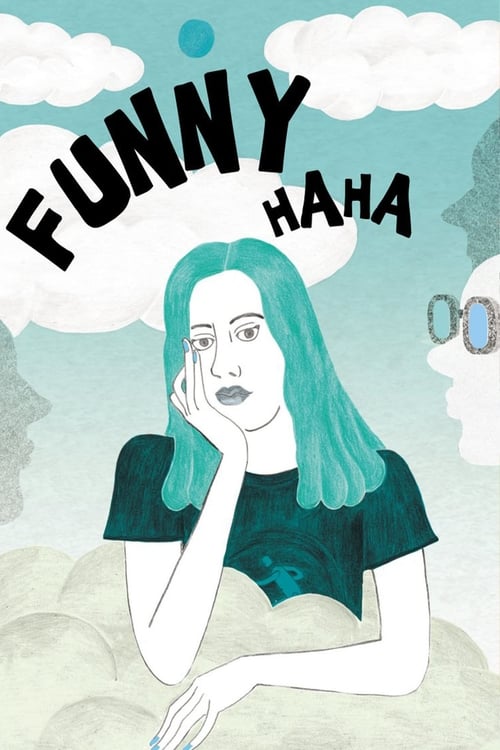
Funny Ha Ha stands out as a character study by focusing on female subjectivity and challenging traditional romantic clichés. Marnie's journey through post-college life offers a nuanced view of young womanhood. However, the film's narrow demographic focus limits its scope. Set in a predominantly white, middle-class milieu, it lacks significant racial or ethnic diversity. Additionally, the film's approach to LGBTQ+ representation remains within conventional boundaries. Ultimately, Funny Ha Ha presents a minimalist exploration of everyday life, rejecting polished storytelling techniques while avoiding deeper systemic critiques or diverse lived experiences.
Category Breakdown
The film highlights unrequited romantic feelings between Marnie and her male friends but does not include explicit LGBTQ+ identities or narratives that challenge assumptions about straight relationships.
The story centers on Marnie's internal thoughts and experiences, avoiding typical gender stereotypes by presenting young womanhood through realistic, complex situations rather than simple archetypes.
The setting portrays a mostly white, middle-class environment in Boston. There is no significant effort to include diverse ethnic perspectives or multi-layered casting.
The film emphasizes a secular perspective focused on individual existence and everyday struggles rather than religious frameworks. It avoids direct critiques of Western institutions.
The film does not focus on visible or invisible disabilities. Psychological issues like social anxiety are shown as common aspects of growing up, rather than specific explorations of neurodivergence.
Present on Screen
Limited or Absent
Official Synopsis
Unsure of what to do next, 23-year-old Marnie tries her best to navigate life after college. Still partying like there's no tomorrow, Marnie drags herself out of bed for her miserable temp job and can't decide whether she's wasting her time going after best buddy Alex, who doesn't seem to be interested.
2011

2000

1998
1995
2018
2011

2010

2014
No reviews yet. Be the first to share your thoughts on this movie!
Use the rating form above to leave a star rating and optional review.