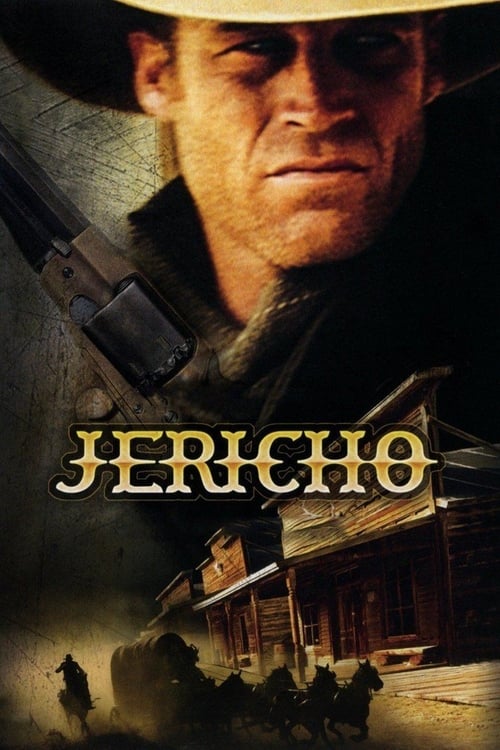
Jericho
2000
No user ratings available yet
Representation score: 0.9 out of 10
Representation Score
Minimal
1950
PGDirector
Alan Le May
Runtime
81 minutes
Average Rating
No ratings yetNew Showbiz Analysis
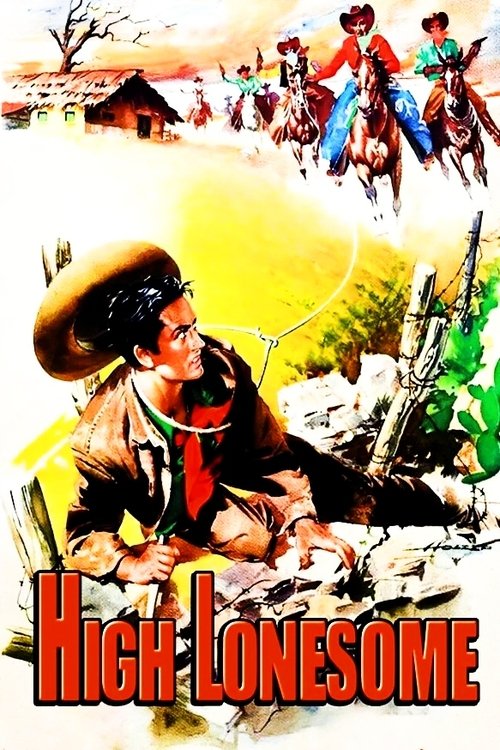
High Lonesome is a quintessential mid-century Western that adheres strictly to the genre conventions of its time. The narrative structure reinforces traditional social hierarchies without challenging them, focusing on a homogeneous social landscape. While the film effectively explores the tension between personal justice and legal authority within a classic Western framework, it does so through a narrow, traditional lens. Ultimately, the work lacks complexity in representing diverse identities and progressive social frameworks.
Category Breakdown
The film does not include any LGBTQ+ identities or themes. It follows a strictly traditional mid-century framework without any queer characters or storylines.
Gender roles adhere to 1950s conventions, emphasizing masculine independence and rugged individualism. Female characters support the plot but do not have significant roles that challenge traditional social dynamics.
The cast is primarily homogeneous, reflecting typical mid-century American frontier settings. There is no significant racial or ethnic diversity.
The narrative highlights individualist survival and frontier justice. Traditional moral frameworks are reinforced without questioning or offering modern critiques.
No characters with visible or invisible disabilities are featured. The story focuses solely on the physical demands of frontier survival.
Present on Screen
Limited or Absent
Official Synopsis
When a sudden spurt of murders occurs in the Big Bend country, suspicion immediately falls on a young drifter who just moved to the area.
2000
1943
2022
1955
1968
1948
1948
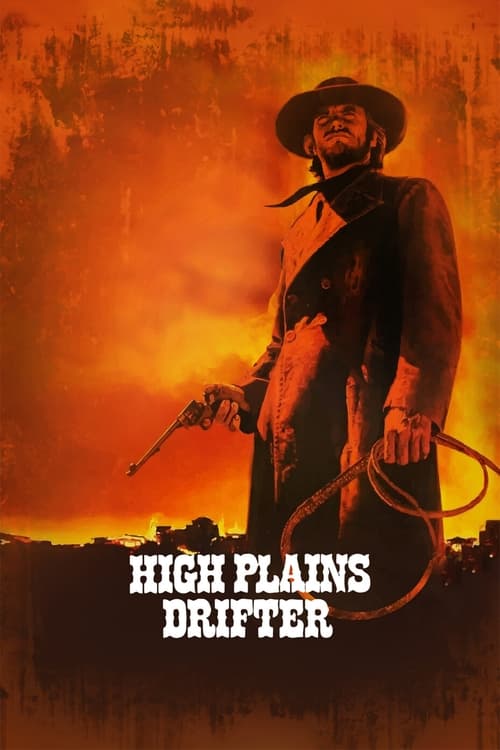
1973
No reviews yet. Be the first to share your thoughts on this movie!
Use the rating form above to leave a star rating and optional review.