Women's Reformatory
1986
No user ratings available yet
Representation score: 2.6 out of 10
Representation Score
Good
1999
RDirector
Glen Pitre
Runtime
94 minutes
Average Rating
No ratings yetNew Showbiz Analysis
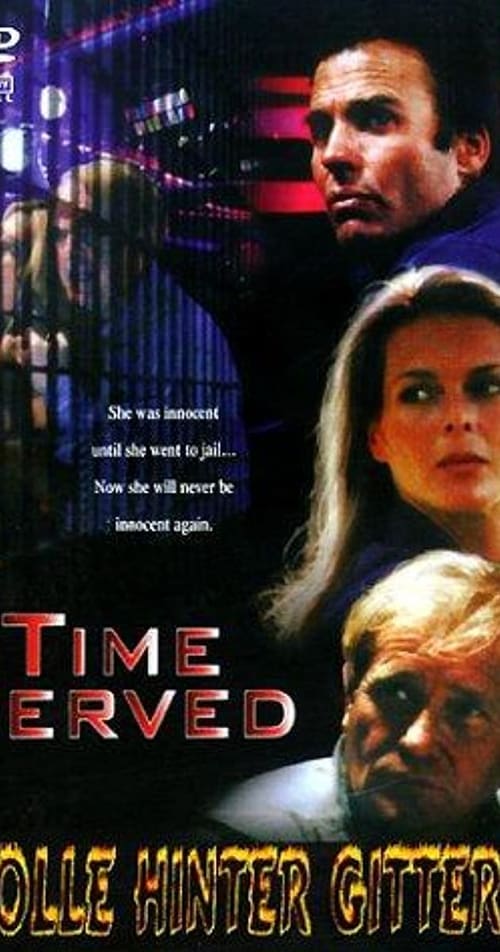
Time Served is a gritty thriller that finds its strength in racial and cultural critique. By centering a Black ensemble, the film avoids the typical white-centric lens of prison dramas and instead explores the systemic pressures facing underrepresented groups. However, the film lacks depth in other areas of representation. It offers little to no visibility for LGBTQ+ identities or characters with disabilities, focusing instead on the survivalist dynamics of a male-dominated environment. While the film challenges traditional domestic roles through a mother's sacrifice, it ultimately relies on traditional gendered clichés. The depiction of female inmates is defined more by systemic exploitation than by any meaningful subversion of gender hierarchies.
Category Breakdown
The film focuses on hyper-masculine social hierarchies within a prison setting. There are no significant queer narratives or non-cisgender identities present in the plot.
The story centers on a mother's sacrifice, though it remains anchored in traditional gender roles. Female inmates face systemic exploitation through coerced labor rather than empowerment.
A predominantly Black ensemble drives the central conflict, disrupting white-centric prison drama clichés. The casting of Terrence Howard highlights systemic pressures on underrepresented communities.
The narrative critiques Western institutions by portraying the carceral system and its leadership as predatory. It frames the legal system as corrupt rather than just.
There is no significant evidence of neurodivergence or physical disability serving as a central narrative driver. Character struggles are primarily socioeconomic and systemic.
Present on Screen
Limited or Absent
Official Synopsis
When a boy kills his abusive stepfather in self-defense, his mother takes the blame and gets sentenced to a long prison term. The warden is corrupt and forces hot inmates to work as strippers in a local nightclub. Is it a way out?
1986

1999

1976
1998

1977
1985
1990

2019
No reviews yet. Be the first to share your thoughts on this movie!
Use the rating form above to leave a star rating and optional review.