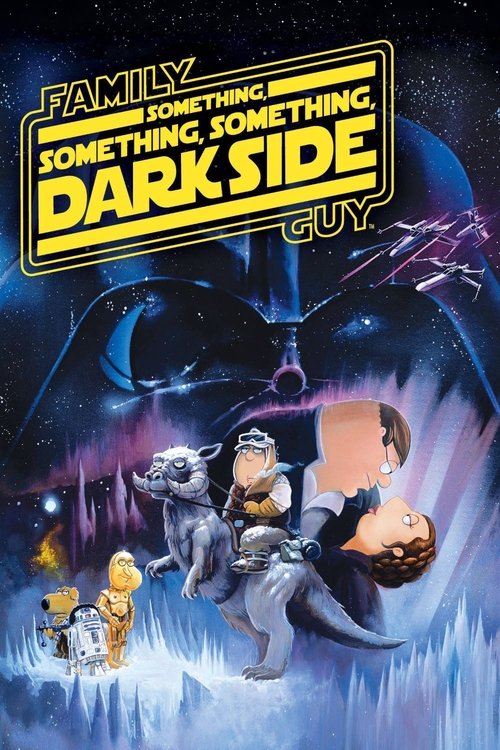
Family Guy Presents: Something, Something, Something, Dark Side
2009
No user ratings available yet
Representation score: 2.6 out of 10
Representation Score
Good
2010
TV-14Director
Peter Shin
Runtime
43 minutes
Average Rating
No ratings yetNew Showbiz Analysis
The film primarily serves as a postmodern satire, using the Star Wars framework to deconstruct traditional heroic narratives. Its strength lies in cultural critique rather than demographic representation. While it lacks depth in LGBTQ+ and disability representation, it succeeds in challenging established pop-culture hierarchies. The narrative replaces traditional moral authority with situational absurdity and moral relativism. Ultimately, the work prioritizes disrupting institutional values over highlighting underrepresented identities, resulting in a mixed diversity profile.
Category Breakdown
The parody does not focus on non-traditional gender identities. LGBTQ+ representation is not central to the film's main goal of satire.
Female characters like Lois hold leadership positions, but their abilities are undermined through comedic incompetence. The film challenges traditional ideas of competent leadership by showing characters failing comically.
The cast includes characters of various ethnicities like Cleveland Brown, who are part of the setting. The film avoids relying heavily on racial stereotypes, focusing instead on character-driven humor.
The film effectively breaks down Western myths and heroic struggles. It redefines traditional heroism and institutional authority as absurd and ineffective.
The film does not focus significantly on visible or invisible disabilities. Characters are defined by comedic archetypes rather than meaningful representations of disability.
Present on Screen
Limited or Absent
Official Synopsis
With the Griffins stuck again at home during a blackout, Peter tells the story of “Star Wars Episode VI: Return of the Jedi.”
2009

2007
2008

2010
2008
1981
2007

2019
No reviews yet. Be the first to share your thoughts on this movie!
Use the rating form above to leave a star rating and optional review.