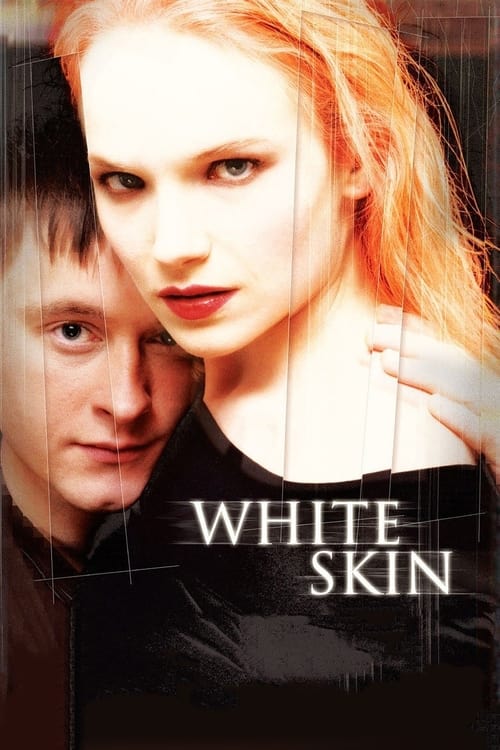
White Skin
2004
No user ratings available yet
Diversity score: 4.9 out of 10
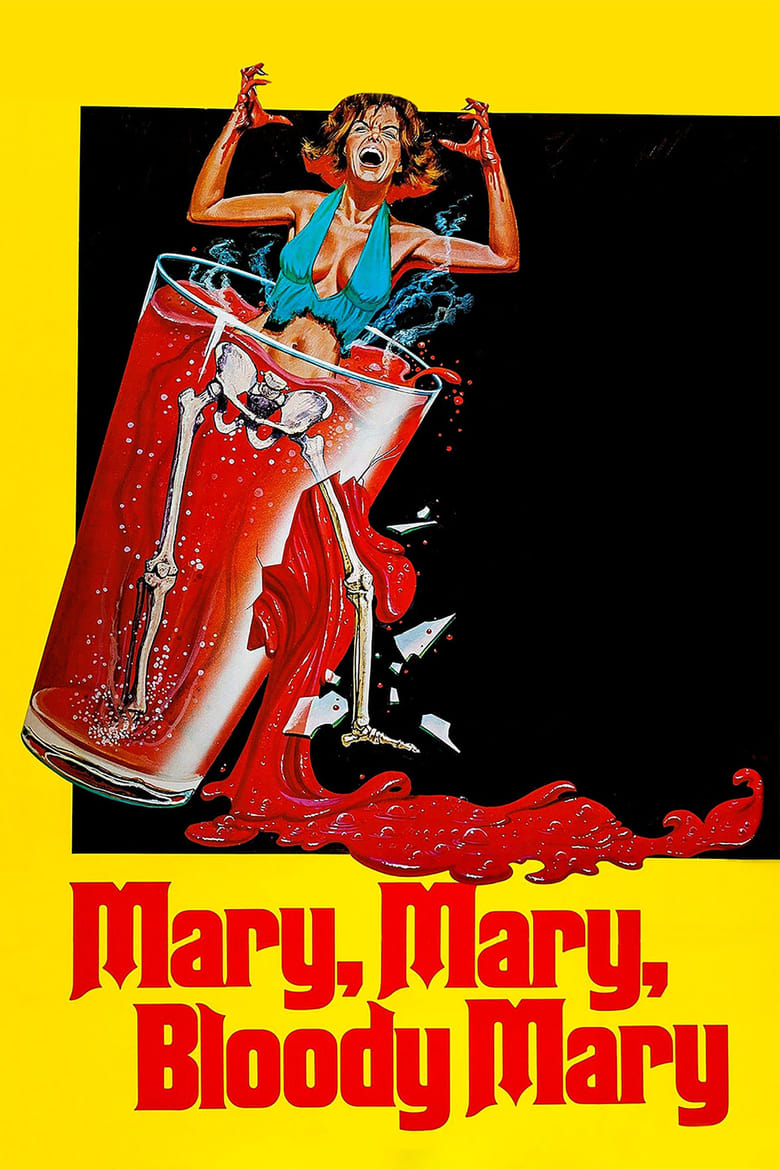
1975
RDirector
Juan López Moctezuma
Runtime
101 minutes
Average Rating
No ratings yetSynopsis
Mexican horror film about an American painter named Mary who is living in Mexico where she sells her works and also kills people for their blood. It turns out Mary is a vampire but not the traditional one with fangs. Since she has no fangs she must stab or slash the throats of her victims but soon she has a new man in her life as well as a mysterious man in black who appears to be doing the same type of murders.
Overall Score
Good
Category Breakdown
LGBTQ+ Representation
The narrative focuses on a central romantic entanglement between Mary and a new male partner. There is no explicit evidence of queer identities or non-heteronormative characters.
Gender Representation
Mary subverts the damsel in distress archetype by acting as a lethal, autonomous protagonist. She drives the plot through her predatory nature rather than remaining a passive victim.
Racial & Ethnic Diversity
The film moves away from Anglo-centric horror by placing an American protagonist within a Mexican landscape. This cross-cultural setting provides a departure from homogeneous Western narratives.
Religious & Cultural Diversity
The story avoids traditional religious binaries by focusing on bloodlust and survival. It presents a secular, nihilistic worldview that challenges standard moralistic frameworks.
Disability Representation
There are no discernible depictions of physical or neurodivergent disabilities within the film's narrative.
Strengths
Areas for Improvement
AI Analysis
Mary, Mary, Bloody Mary stands out for its subversion of traditional horror roles. By centering a female vampire who exerts lethal agency, the film disrupts standard gender hierarchies and avoids the typical victimhood associated with female characters in the genre. The setting further expands the film's scope, utilizing a Mexican backdrop to move beyond the white-centric environments common in 1970s Western cinema. This international lens adds a layer of cultural intersection to the surrealist narrative. While the film excels in gender agency and setting, it lacks explicit LGBTQ+ representation and does not address disability. Its strength lies in its moral relativism and its refusal to adhere to conventional Hollywood tropes.
No reviews yet. Be the first to share your thoughts on this movie!
Use the rating form above to leave a star rating and optional review.