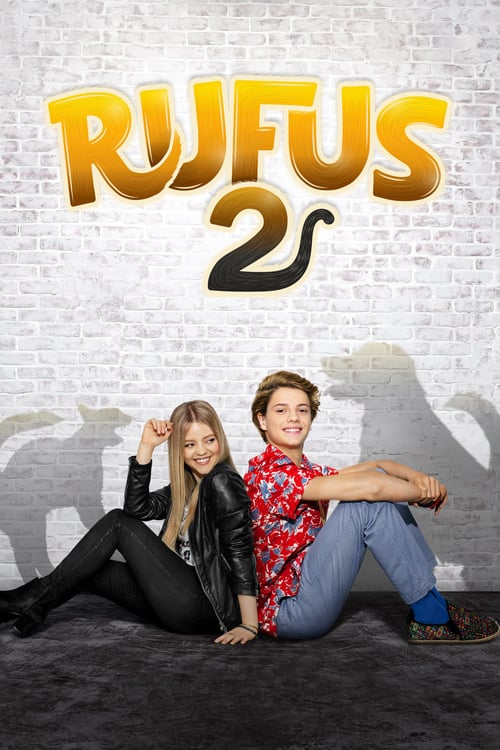
Rufus 2
2017
No user ratings available yet
Representation score: 0.8 out of 10

Representation Score
Limited
2016
TV-GDirector
Savage Steve Holland
Runtime
44 minutes
Average Rating
No ratings yetNew Showbiz Analysis
Rufus is a conventional family fantasy that prioritizes whimsical escapism over social commentary. The narrative structure relies on established genre clichés, focusing on a magical-realism premise of companionship rather than exploring complex sociological frameworks. The film operates within a safe, conservative framework typical of mid-2010s family media. It avoids challenging existing social hierarchies, instead reinforcing traditional structures like the family unit and school environments. Ultimately, the production favors broad-audience accessibility. It aims to provide lighthearted entertainment through a simple moral lens rather than disrupting cultural norms or providing diverse representation.
Category Breakdown
The film does not include any visible LGBTQ+ characters or narratives. It focuses on the relationship between a boy and his dog, avoiding engagement with non-straight relationships.
The film follows traditional gender roles commonly found in family comedies. It maintains a status quo without challenging existing gender power structures.
The cast appears predominantly homogeneous. There is no indication of intentional diverse casting or character backgrounds that reflect multiple aspects of identity.
The story upholds traditional Western family values and stability. It operates within a binary moral framework emphasizing loyalty and friendship.
The film does not feature any characters with visible or invisible disabilities. The narrative does not incorporate neurodivergent perspectives or disability-related themes.
Present on Screen
Limited or Absent
Official Synopsis
Manny has moved to a new school, and it's not easy to fit in. After wishing he had more friends, Manny finds a mysterious collar and puts it on Rufus, the family dog. Suddenly, Rufus turns into a boy! Manny's not sure what to do, so he enrolls Rufus in school. When the other students notice Rufus's silly dog antics -- chasing squirrels, eating without utensils, asking for belly rubs, and catching a soccer ball with his mouth -- he immediately becomes the most popular kid around. Manny is jealous of his new best friend but eventually learns that a dog's loyalty to his owner always comes first.
2017
2007

2010
2006
2012
2016

1999
1995
No reviews yet. Be the first to share your thoughts on this movie!
Use the rating form above to leave a star rating and optional review.