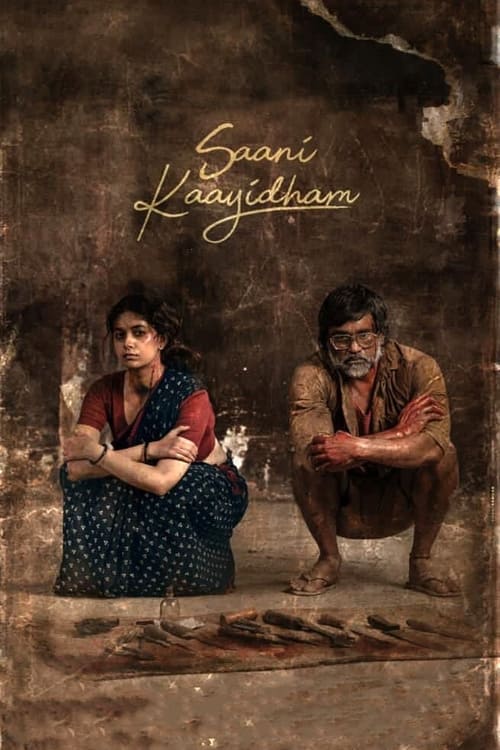
Saani Kaayidham
2022
No user ratings available yet
Representation score: 5.9 out of 10
Representation Score
Good
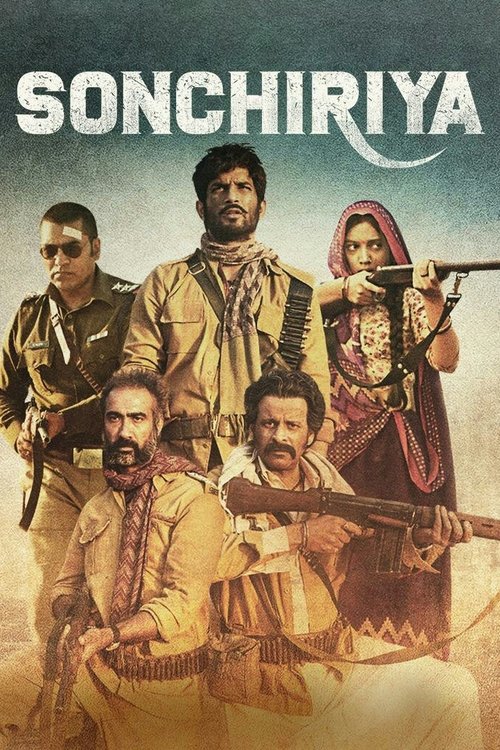
2019
Not RatedDirector
Abhishek Chaubey
Runtime
145 minutes
Average Rating
No ratings yetNew Showbiz Analysis
Sonchiriya is a nuanced examination of systemic oppression and regional identity. It succeeds by replacing traditional hero clichés with a complex, identity-driven morality that questions the legitimacy of established power structures. The film's strength lies in its refusal to present a uniform view of India. By focusing on the specific social hierarchies of the Chambal Valley, it gives substantial roles to characters from lower social tiers. However, the film remains limited by its traditional setting. It offers almost no representation for LGBTQ+ identities and uses physical trauma primarily as a narrative tool for character redemption rather than a nuanced exploration of disability.
Category Breakdown
The film is set in a traditional, rural environment where there is no representation of non-straight or non-cisgender identities or same-sex relationships.
The story is driven by a male-focused brotherhood. However, a woman from a underrepresented caste plays a pivotal role in the bandits' moral shift, challenging her passive role.
The film highlights the unique identities of the Chambal region by emphasizing the intersection of caste and ethnicity to fuel the main conflict.
The narrative criticizes feudalism and the failures of state authority. It portrays the bandits' actions as a reaction to a corrupt and oppressive social system.
Physical and psychological trauma are used to propel the protagonists' moral journey. These elements focus on advancing the plot rather than exploring disability as an independent identity.
Present on Screen
Limited or Absent
Official Synopsis
A legion of warring bandits terrorizes India's Chambal Valley.
2022
2015

2004
1975
2018

2006

2023
2023
No reviews yet. Be the first to share your thoughts on this movie!
Use the rating form above to leave a star rating and optional review.