
Sandkings
1995
No user ratings available yet
Representation score: 1.4 out of 10

Representation Score
Limited
2011
RDirector
Jim Wynorski
Runtime
80 minutes
Average Rating
No ratings yetNew Showbiz Analysis
Camel Spiders is a conventional creature-feature that prioritizes immediate physical conflict over social or identity-based exploration. The narrative structure relies on established survival-horror clichés rather than challenging traditional hierarchies. The film centers on a small band of fighters facing a biological threat, leaving little room for nuanced portrayals of neurodivergence, chronic illness, or complex multi-layered dynamics. It remains a standard example of the B-movie ecosystem, emphasizing genre mechanics over social commentary or the critique of systemic power structures.
Category Breakdown
The film does not include any LGBTQ+ characters or explore non-traditional gender identities.
Female characters play roles in the survival struggle, but the film relies on traditional gender dynamics and masculine leadership.
The story focuses on the threat of mutated creatures and does not highlight racial or ethnic diversity.
The narrative follows a traditional Western survivalist framework without addressing broader systemic critiques or cultural diversity.
The film does not feature characters with visible or invisible disabilities and focuses solely on physical survival.
Present on Screen
Limited or Absent
Official Synopsis
Based on actual creatures that for years have tormented our armed forces in the Middle East, these creatures have now invaded the southwestern deserts of the United States. The Camel Spiders now freely hunt for prey, unafraid of any predator - including man. No place is safe no one is beyond their paralyzing sting. In the end, a small band of hearty fighters are forced to make one last stand against the creatures.
1995
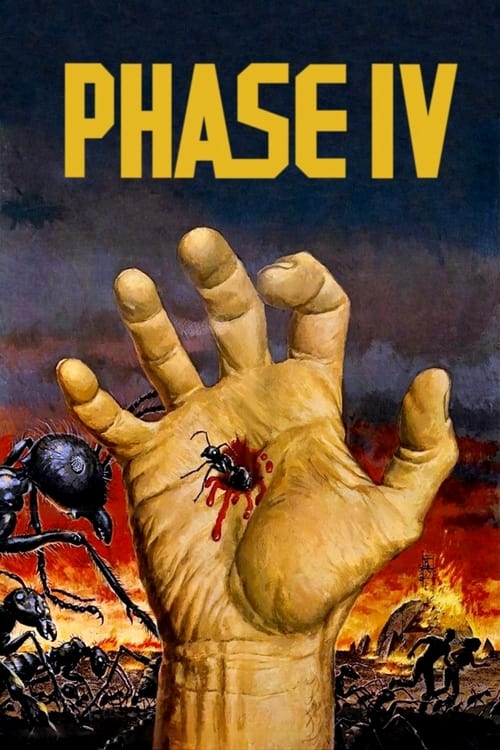
1974

2009

1996

2004
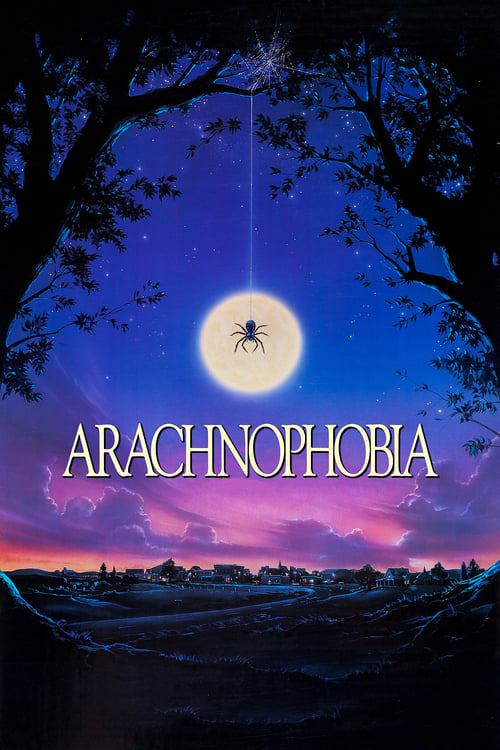
1990
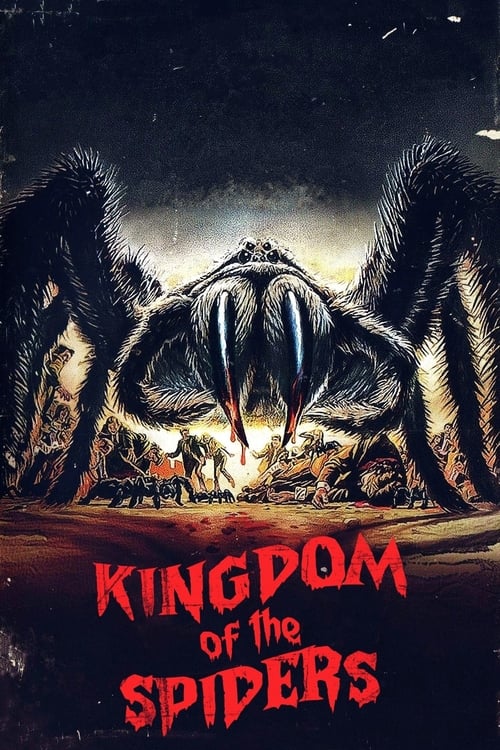
1977

1990
No reviews yet. Be the first to share your thoughts on this movie!
Use the rating form above to leave a star rating and optional review.