The Body
2013
No user ratings available yet
Diversity score: 3.2 out of 10
2013
RDirector
Balázs Hatvani
Runtime
83 minutes
Average Rating
No ratings yetSynopsis
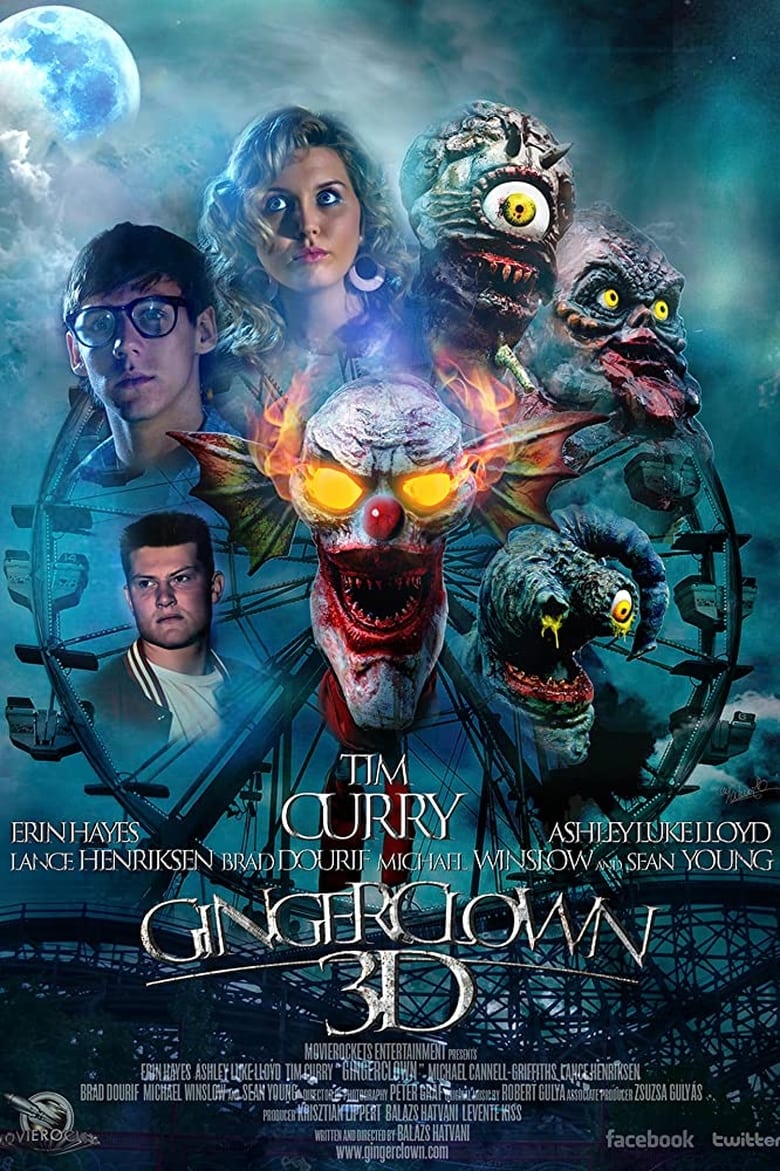
1983: A group of high school students are having a great time near Hollywood Hills at the weekend when they bump into the Loser from their school, Sam, who's just on his way home. Sam would do anything in order to get Jenny's attention, one of prettiest girls in school. Unfortunately she's also the girlfriend of the school's bully, Biff, the quarterback of the football team. Biff and his buddies are keen to take Sam to the old abandoned amusement park to make him prove his courage as part of their initiation ceremony. They involve Jenny in their cruel game as the grand prize of the competition. Sam accepts the challenge, but the girl wouldn't let him go in by himself; she follows him into the amusement park and a night they'll never forget.
Overall Score
Limited
Category Breakdown
LGBTQ+ Representation
The story centers on heteronormative romantic tensions between Sam and Jenny. There is no evidence of non-cisnormative identities or critiques of traditional social hierarchies.
Gender Representation
Jenny is initially framed as a prize in a cruel competition, reinforcing traditional tropes. However, she shows agency by following Sam into the park to intervene.
Racial & Ethnic Diversity
Set in 1983 Hollywood Hills, the film follows archetypes common to 1980s American youth culture. The narrative appears to focus on a homogeneous social structure.
Religious & Cultural Diversity
The film functions as a genre exercise focused on individual survival and bullying. It lacks a deconstruction of Western institutions or broader systemic critiques.
Disability Representation
The narrative contains no mention of characters with visible or invisible disabilities, neurodivergence, or chronic illness.
Strengths
Areas for Improvement
AI Analysis
Gingerclown operates primarily as a genre-driven horror-comedy that adheres to established 1980s cinematic tropes. The plot relies on standard archetypes, such as the high school bully and the 'pretty girl' prize, which limits its social depth. While the female lead demonstrates some agency by entering the amusement park, the core conflict remains rooted in traditional masculine dominance and social hierarchies. The setting and character dynamics suggest a focus on a singular demographic norm typical of the era's horror films. Ultimately, the film prioritizes interpersonal dynamics and survival over intersectional complexity or progressive social commentary.
2013
2003
1981

2005
2013
2012
1997

2014

1989
2018

2007
2012
No reviews yet. Be the first to share your thoughts on this movie!
Use the rating form above to leave a star rating and optional review.