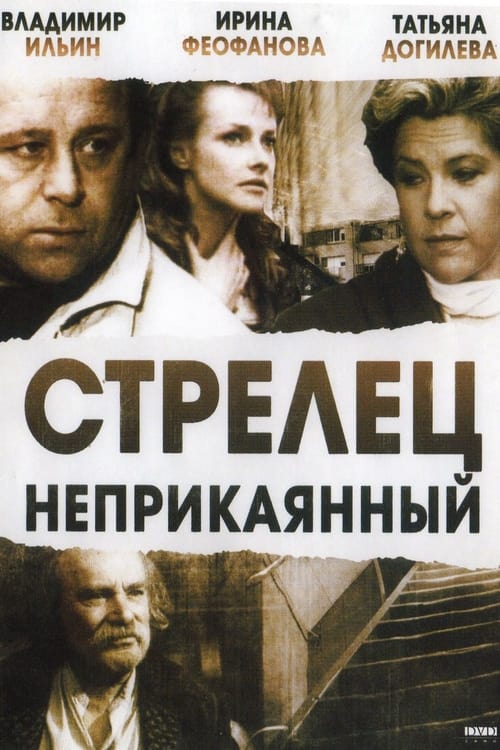
Wandering Sagittarius
1993
No user ratings available yet
Representation score: 5.2 out of 10
Representation Score
Limited
1968
Director
Yakov Segel
Runtime
79 minutes
Average Rating
No ratings yetNew Showbiz Analysis
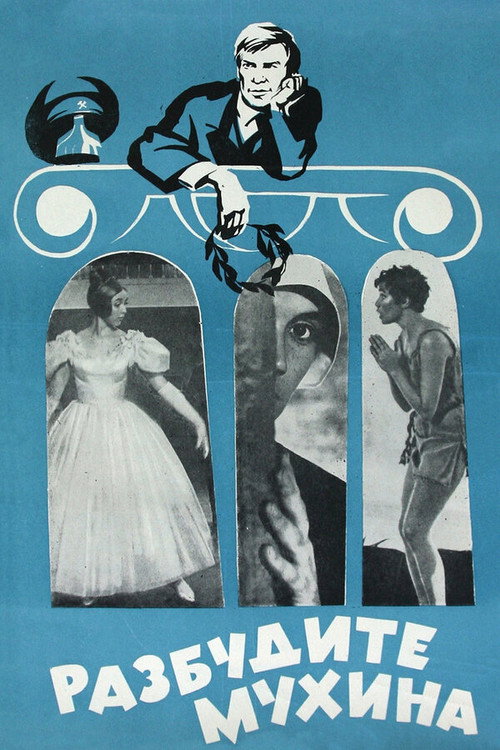
Wake Mukhin Up! is a philosophical exploration that uses fantasy to bridge the gap between the working class and historical elites. Its strength lies in challenging social stratification through its dream-like structure. However, the film remains focused on traditional, male-dominated historical epochs. This focus limits its broader representation of gender and identity. The narrative prioritizes intellectual and historical conflict over contemporary multi-layered studies, resulting in a score that reflects its specific thematic focus.
Category Breakdown
The film does not include any representations of LGBTQ+ identities or same-sex relationships. The story focuses on historical figures and the protagonist's personal journey.
The story centers around male-dominated historical milestones, such as Pushkin and Galileo. This focus on patriarchal historical figures results in a lack of visible female influence.
The narrative is set in Eurocentric historical contexts, such as Russian literature and Italian science. It follows a 'Great Men' approach to history.
The film disrupts class hierarchies by placing a subway driver among historical elites. It explores themes of scientific truth versus institutional dogma.
There is no information regarding the portrayal of physical or neurodivergent disabilities in this work.
Present on Screen
Limited or Absent
Official Synopsis
During lectures on literature, evening student Sasha Mukhin, a subway driver, sleeps and dreams. In approximate accordance with the subject of the lectures, he either tries to prevent Pushkin’s duel with Dantes, either intervenes in the events of Spartak’s rebellion, or is present at Galileo’s abdication, then meets a person from the future and learns from him his future fate.
1993
1973
1993

1966

1987
1988

2012
2017
No reviews yet. Be the first to share your thoughts on this movie!
Use the rating form above to leave a star rating and optional review.