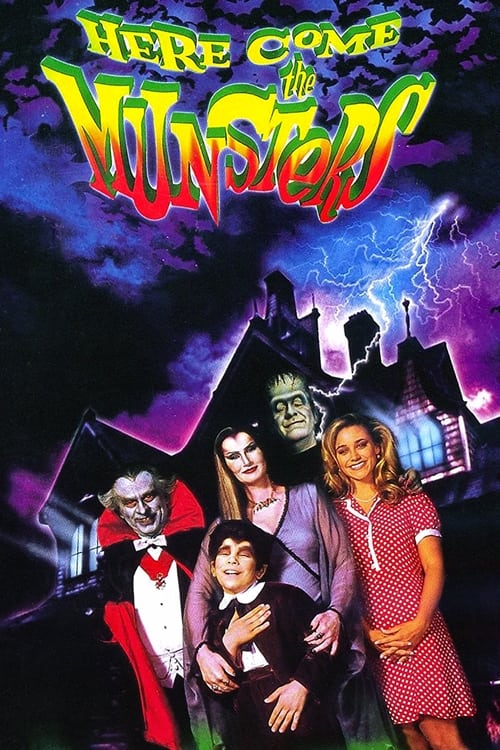
Here Come the Munsters
1995
No user ratings available yet
Representation score: 3.7 out of 10

Representation Score
Limited
1979
Director
Bruce Bilson
Runtime
30 minutes
Average Rating
No ratings yetNew Showbiz Analysis
The film serves as a blend of traditional monster stories aimed at family audiences. It emphasizes humorous escapism and the preservation of classic storytelling over modern social commentary. Key structural elements rely heavily on well-known archetypes, such as Dracula’s authoritative leadership. The plot focuses on the threat of becoming outdated for monsters rather than exploring diverse identities or challenging social norms. Overall, the film is a conventional genre piece reflecting its 1979 origins, emphasizing folklore and traditional storytelling.
Category Breakdown
The film does not include characters with non-binary genders or challenge the idea that everyone is straight. It focuses on a group of monsters following traditional societal roles.
The story centers on Dracula's leadership and his demands to his followers. This highlights a traditional power structure led by a strong male figure, typical of 1970s TV shows.
Set in Transylvania, the film contrasts monsters and humans. It does not feature a predominantly non-Anglo-Saxon cast or actors playing roles traditionally associated with different ethnicities.
The story uses supernatural elements based on folklore and the preservation of traditions. It does not significantly challenge Western cultural norms or secular views.
There is no information about the portrayal of neurodivergence or physical disabilities. The monsters are treated as typical genre figures rather than as characters exploring real-life experiences.
Present on Screen
Limited or Absent
Official Synopsis
Upset by rumors that Halloween may end, Dracula calls his mild-mannered monsters together and delivers an ultimatum - either regain their frightening image, or leave his Transylvania castle forever.
1995
2021
1996
2000

1977
2008
1975
1993
No reviews yet. Be the first to share your thoughts on this movie!
Use the rating form above to leave a star rating and optional review.