La graduada
1971
No user ratings available yet
Representation score: 1.4 out of 10

Representation Score
Limited
1953
Director
Ana Mariscal
Runtime
81 minutes
Average Rating
No ratings yetNew Showbiz Analysis
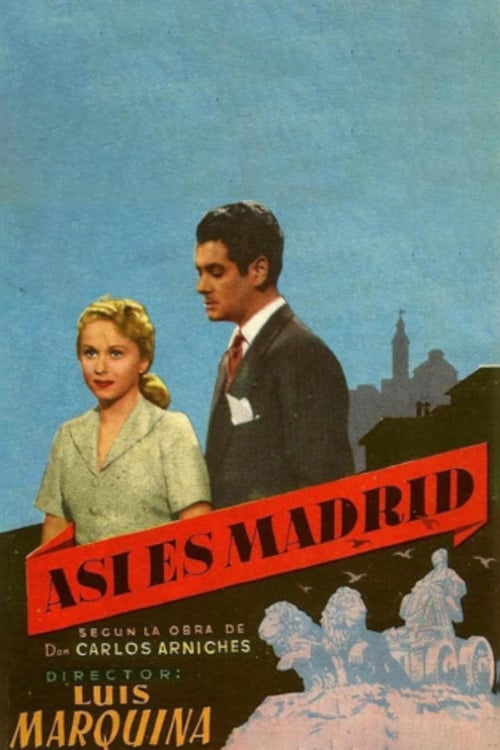
The film offers a glimpse into the social tensions of 1950s Spain, focusing on class and regional issues. Despite following a conventional comedic format, Ana Mariscal's direction adds a progressive layer for the time. Representation is centered on the contrast between rural and urban life, highlighting social stratification but lacking depth on broader diversity issues.
Category Breakdown
The story revolves around a traditional romance between the main character and Francisca. There are no depictions of non-binary gender identities or challenges to the idea that everyone is straight.
Ana Mariscal's direction challenges the male-dominated norms of the era. However, the story's focus remains on the male protagonist and a traditional romantic plot.
The film emphasizes class and regional differences within a homogeneous society. The setting reflects a mid-century Spanish social landscape where racial diversity is not a focal point.
The story examines the clash between rural traditions and the chaos of modern urban life. It questions the erosion of traditional community support systems in cities.
There is no depiction of characters with physical or neurological differences in this film.
Present on Screen
Limited or Absent
Official Synopsis
Segundo López, a mature and very humble man who has arrived in Madrid from Cáceres, his homeland, meets Francisca, with whom he falls in love, and El Chirri, a roguish street urchin with whom he will have adventures all over the huge and hostile city.
1971
1992
1953
1992

1956

1956
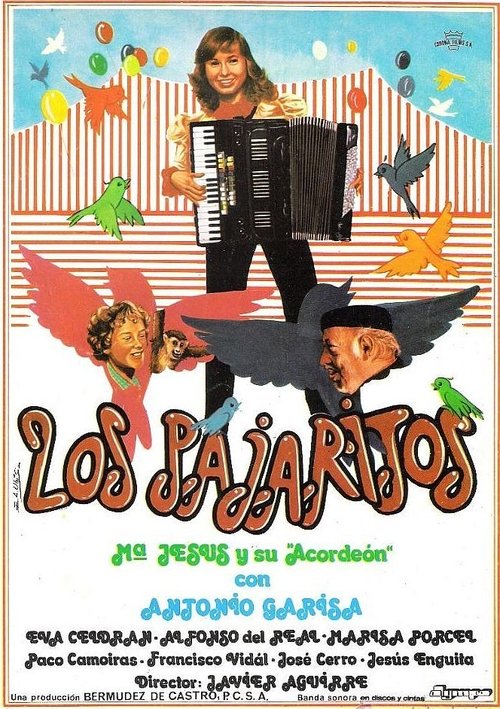
1983
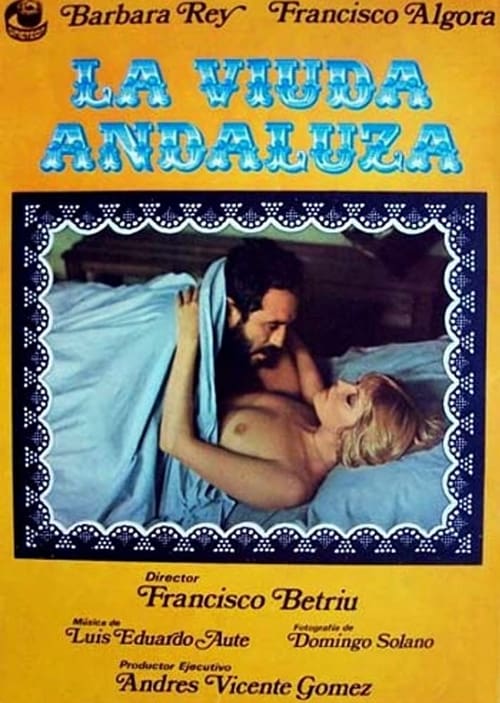
1977
No reviews yet. Be the first to share your thoughts on this movie!
Use the rating form above to leave a star rating and optional review.