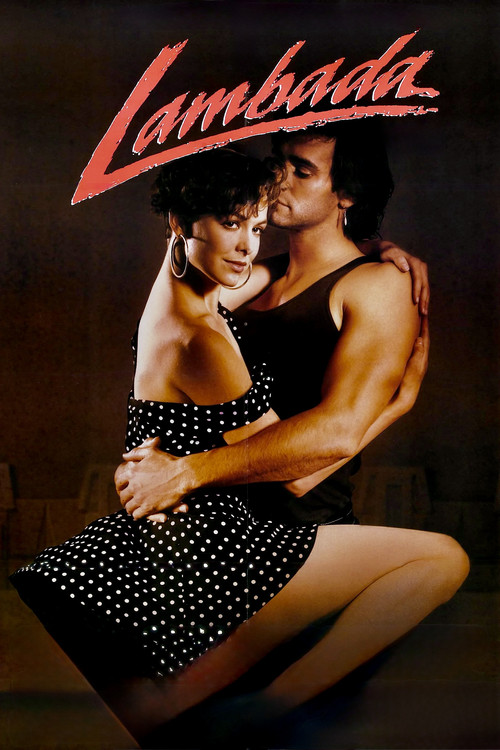
Lambada
1990
No user ratings available yet
Representation score: 2.8 out of 10

Representation Score
Limited
1989
PG-13Director
Richard J. Baskin
Runtime
98 minutes
Average Rating
No ratings yetNew Showbiz Analysis
Sing (1989) is primarily a character-driven story about individual rebellion. It shifts away from straightforward moral lessons by focusing on a protagonist who defines himself through conflicts with societal norms. The film examines the interplay between personal ability to act and institutional expectations. However, it does not include clear markers of diversity or the way different parts of someone's identity overlap, making it more of a personal drama than a broad critique of societal issues. Overall, the narrative offers emotional depth but lacks a wide range of diverse representation.
Category Breakdown
The story focuses on a protagonist's developing attraction to a co-star, suggesting a move away from typical assumptions about straight relationships.
The film uses traditional roles like the strict teacher and the rebellious student. It doesn't challenge traditional gender roles or explore the power dynamics between genders.
There is no information regarding the racial or ethnic composition of the cast. The narrative does not provide specific data to support an assessment of racial diversity.
The movie looks at non-conformist behavior by highlighting a character's struggle against societal norms. It shows the conflict between institutions and personal freedom.
The provided material contains no information regarding neurodivergence, physical disability, or mental health conditions.
Present on Screen
Limited or Absent
Official Synopsis
When a volatile young street tough with a talent for singing and dancing is tapped by the high school music teacher to lead the upcoming senior "Sing," he is forced to come to terms with his defiant self-destructive lifestyle and his growing attraction to his co-star.
1990

1958

1988
1980
1988

2006

2000

2015
No reviews yet. Be the first to share your thoughts on this movie!
Use the rating form above to leave a star rating and optional review.